



Food & Beverage Spray Nozzles Manufacturer
Leading food industry spray nozzles manufacturer: sanitary CIP systems, tank cleaning, bottle washing, food processing spray. FDA-compliant 316L stainless steel nozzles meeting 3-A standards.
Industry Overview
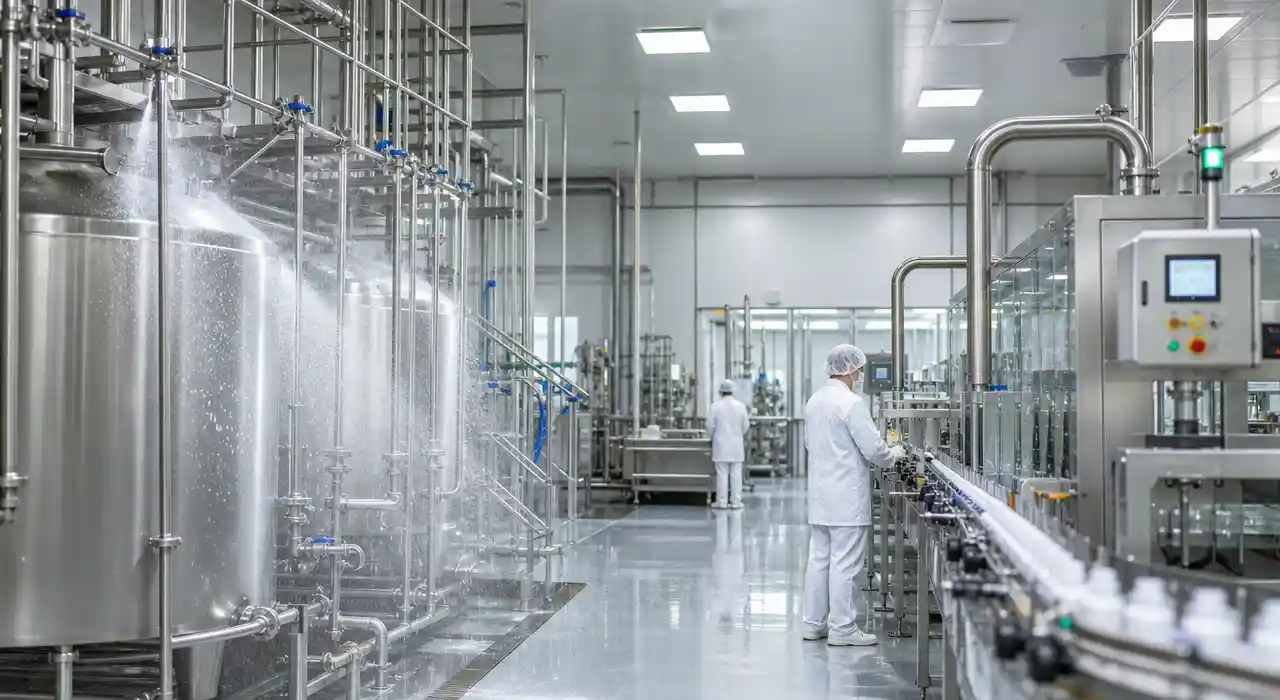
The food and beverage industry demands hygienic spray
technology preventing contamination and ensuring food
safety. Modern food facilities face challenges including
meeting FSMA and HACCP requirements, validating cleaning
effectiveness, reducing water and chemical consumption, and
minimizing production downtime during sanitation.
Spray nozzles are critical in CIP systems for automated
tank and pipeline cleaning, bottle and can washing for
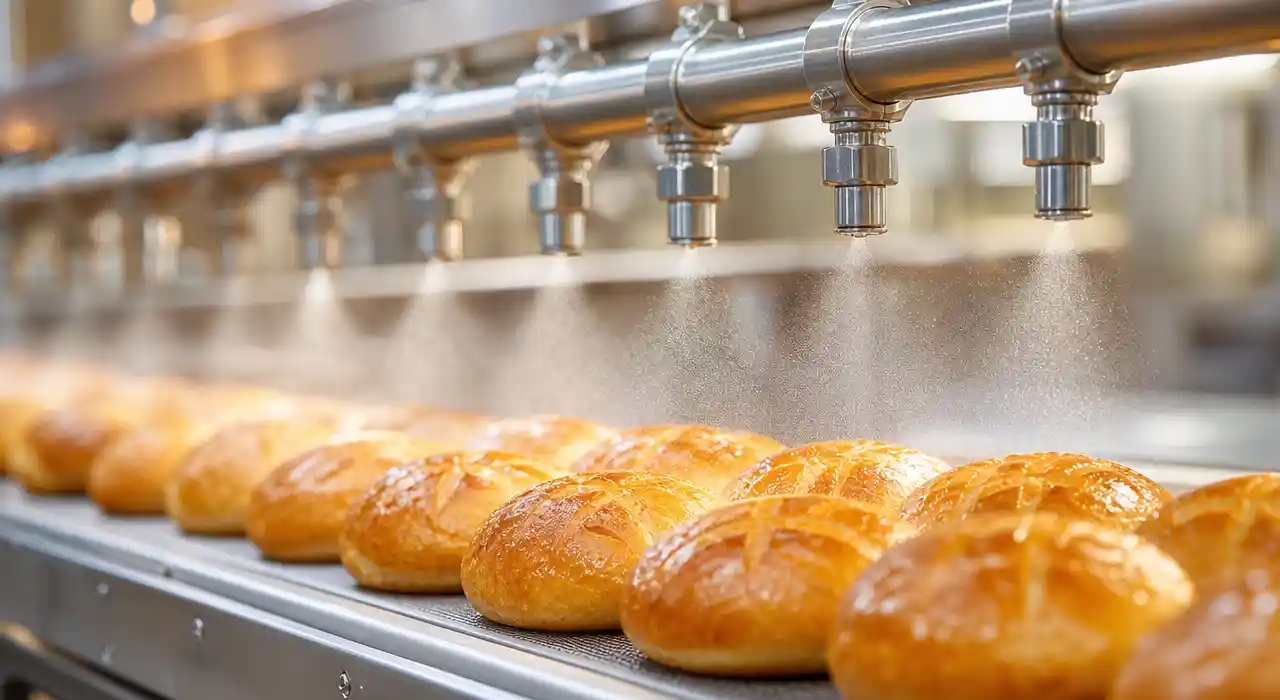
package preparation, food processing for product spray
coating and moisture control, equipment sanitization for
bacteria control, and cooling operations for product
temperature management.
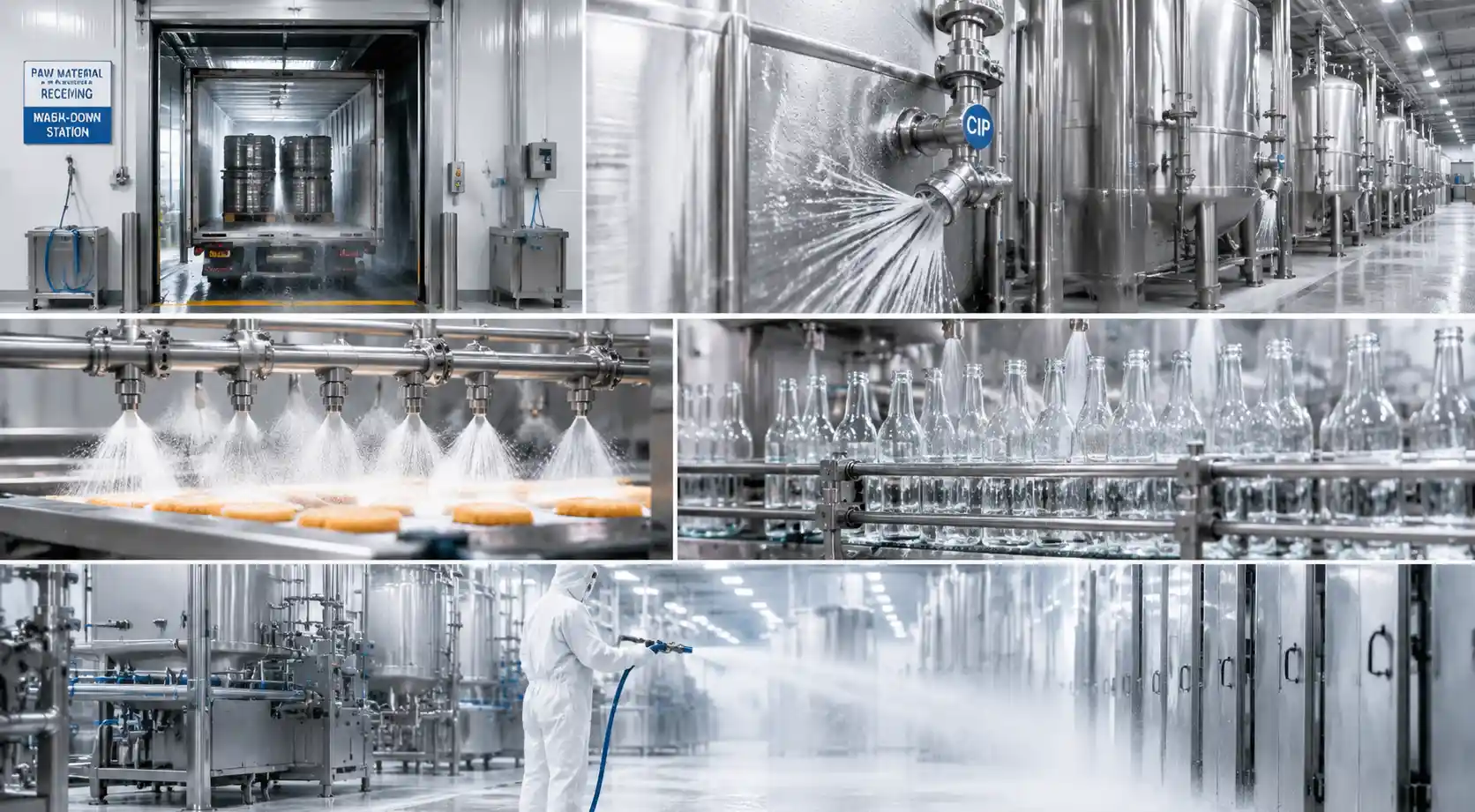
Food & Beverage Processing Operations
Raw Material Reception
Wash-Down, Equipment Cleaning
Processing Equipment
CIP Systems, Tank Cleaning, Sanitization
Product Processing
Coating, Moisture Control, Cooling
Packaging Line
Bottle/Can Washing, Conveyor Cleaning
Facility Sanitation
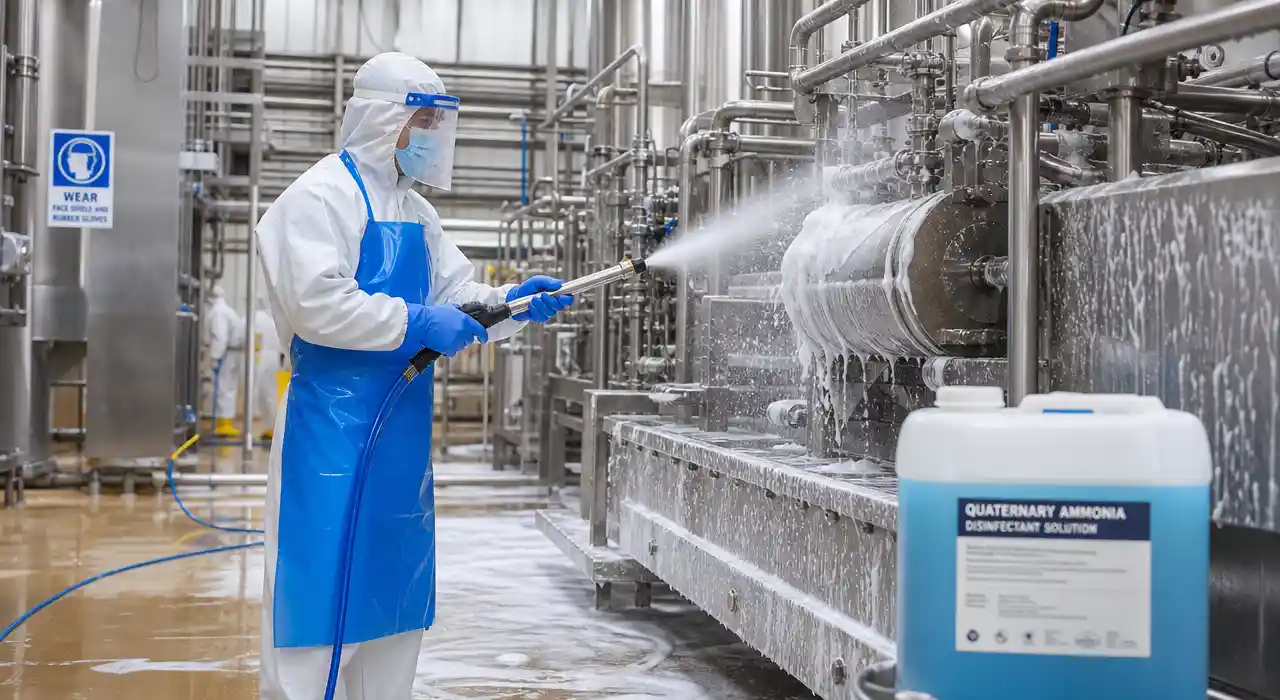
Floor/Wall Wash-Down, Disinfection
Waste Treatment
Wastewater Pre-Treatment, Odor Control
Food & Beverage Industry Challenges & Solutions
Meeting 3-A Sanitary Standards
ChallengeFood contact spray nozzles must meet 3-A Sanitary Standards preventing bacterial harborage in crevices, threads, and dead legs. Non-compliant nozzles create contamination risks causing product recalls, regulatory citations, and brand damage. FSMA preventive controls require validated cleaning procedures demonstrating pathogen control. Inadequate nozzle design complicates cleaning validation through difficult-to-reach surfaces or material incompatibilities with cleaning chemicals.
SolutionOur 3-A sanitary spray nozzles feature crevice-free design with smooth transitions eliminating bacterial harborage sites, 316L stainless steel electropolished to Ra ≤0.8 μm (32 μin) meeting hygienic surface finish requirements, self-draining orientation preventing liquid accumulation that supports bacterial growth, and cleanable construction enabling disassembly for inspection and manual cleaning when required. Materials resist alkaline cleaners, acid sanitizers, and thermal cycling encountered in CIP operations. Documentation packages include 3-A certificates, material certifications with heat traceability, and surface finish validation supporting FSMA compliance audits.
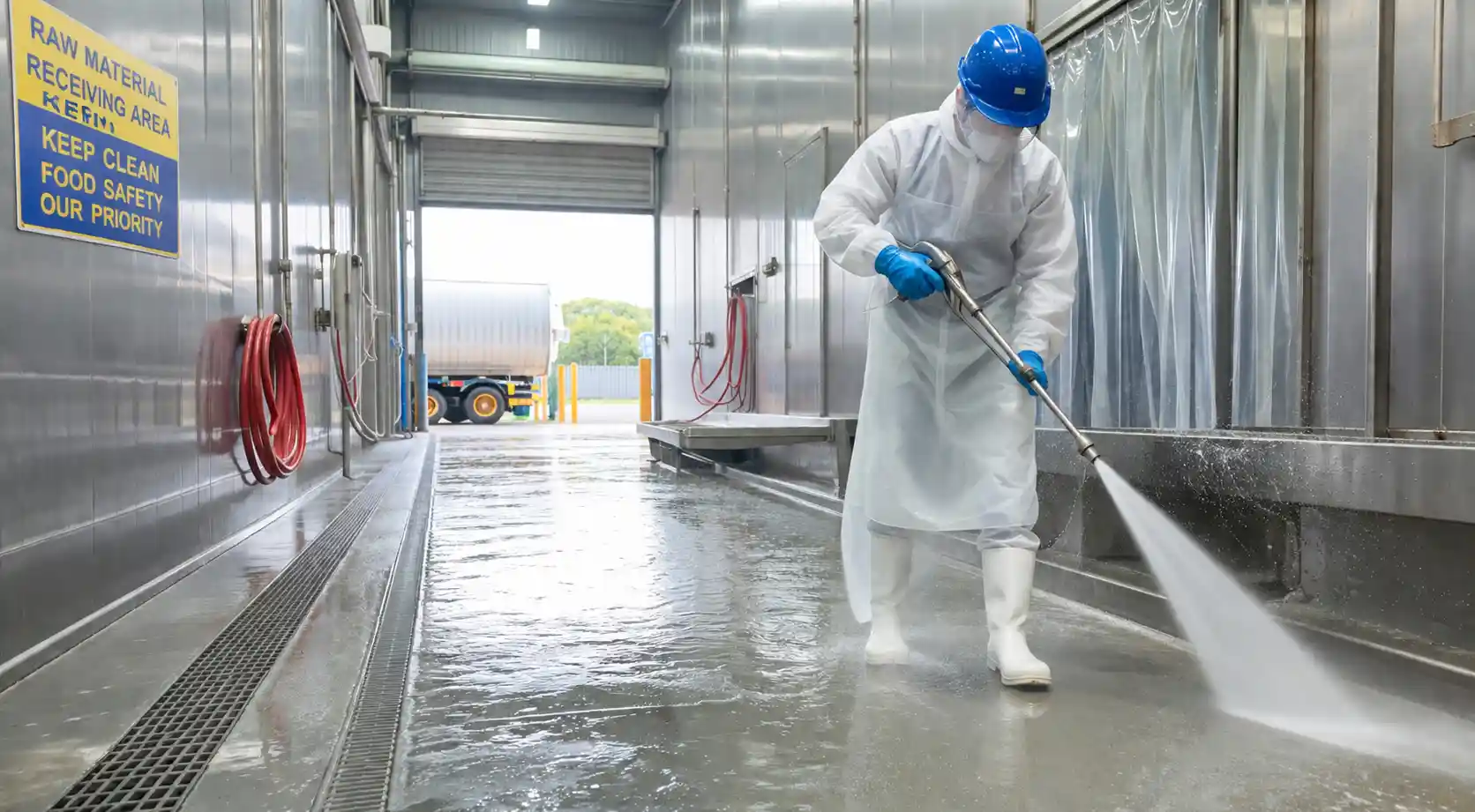
Removing Stubborn Food Soils
ChallengeProtein, fat, and carbohydrate residues bake onto processing equipment surfaces forming difficult-to-remove deposits. Inadequate cleaning leaves biofilm substrates supporting bacterial growth including Listeria that causes serious foodborne illness. Manual cleaning requires equipment disassembly consuming 2-6 hours of production downtime daily. Harsh cleaning chemicals at high concentrations or temperatures accelerate equipment corrosion and increase operating costs.
SolutionOur food industry cleaning nozzles deliver high-impact spray at 10-80 bar creating turbulent boundary layer flow dislodging protein and fat films, provide optimized spray patterns ensuring complete surface coverage including complex geometries, use flat fan or full cone configurations matching tank and vessel shapes, and enable automated CIP operation eliminating manual disassembly. Rotary spray heads with 360° coverage clean large tanks in 20-45 minutes versus 2-4 hours manual methods. Proper mechanical action enables effective cleaning at lower chemical concentrations and moderate temperatures reducing corrosion and costs.
View Cleaning & Washing Solutions →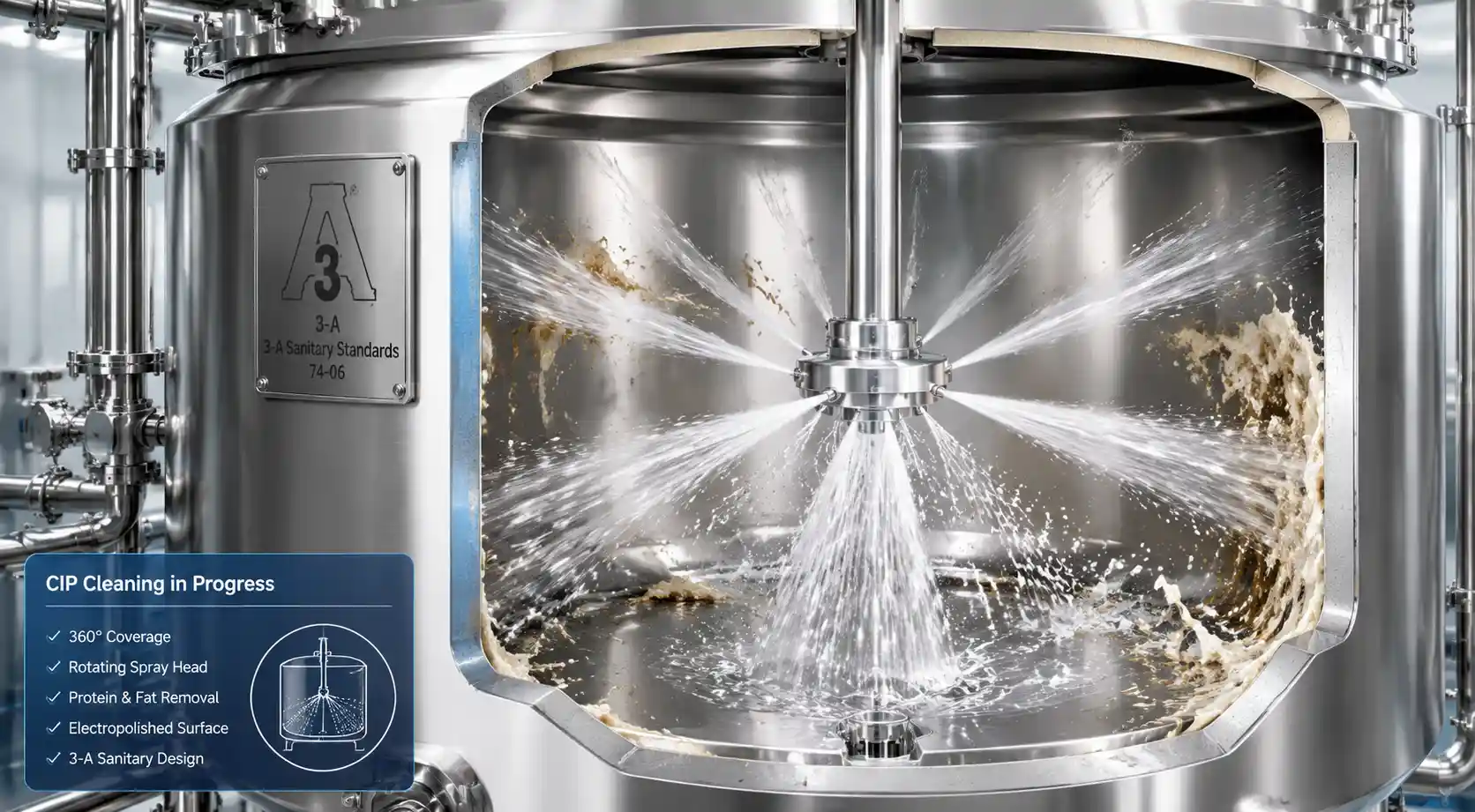
Validating Cleaning Effectiveness
ChallengeFSMA preventive controls and HACCP plans require validated cleaning procedures demonstrating effective removal of allergens, pathogens, and chemical residues. Visual inspection inadequately assesses microbiological cleanliness. ATP testing, protein swabs, and microbiological sampling generate data but validating CIP system performance remains challenging. Regulatory inspections increasingly scrutinize cleaning validation documentation. Failures cause production holds, product destruction, and regulatory consequences.
SolutionOur CIP-optimized spray nozzles provide consistent, repeatable cleaning performance enabling validated procedures through documented flow rates, pressures, and spray patterns meeting predetermined acceptance criteria, traceable nozzle identification enabling maintenance records and replacement verification, flow indicators confirming proper operation during CIP cycles, and quick-connect sanitary fittings preventing installation errors. Engineering services include CIP system design with hygienic piping layouts, spray coverage analysis documenting surface contact, cleaning validation support including protocol development and sampling plans, and documentation packages supporting regulatory inspections and third-party audits.
Reducing Water & Energy Consumption
ChallengeFood plants consume enormous water quantities for cleaning with typical usage of 5-15 liters per kg of product. Heating CIP water to 70-85°C requires substantial energy. Environmental regulations and water scarcity pressure consumption reduction. Wastewater discharge costs including sewage fees and treatment add $1-5 per cubic meter. Long CIP cycles consuming 500-5000 liters per tank reduce production capacity. Traditional CIP design based on conservative estimates wastes resources.
SolutionOur optimized CIP spray systems reduce consumption by 30-50% through precision nozzles delivering exact flow rates required for soil removal verified through testing, high-impact spray patterns replacing high-volume low-pressure wash with concentrated cleaning action, automated control systems implementing optimized CIP sequences eliminating unnecessary steps, and water recovery systems capturing final rinse water for pre-rinse in subsequent cycles. Typical savings of 20-100 m³ daily represent $20,000-150,000 annual cost reduction including water, sewage, energy, and chemicals with payback periods of 12-24 months.
View Cleaning & Washing Solutions →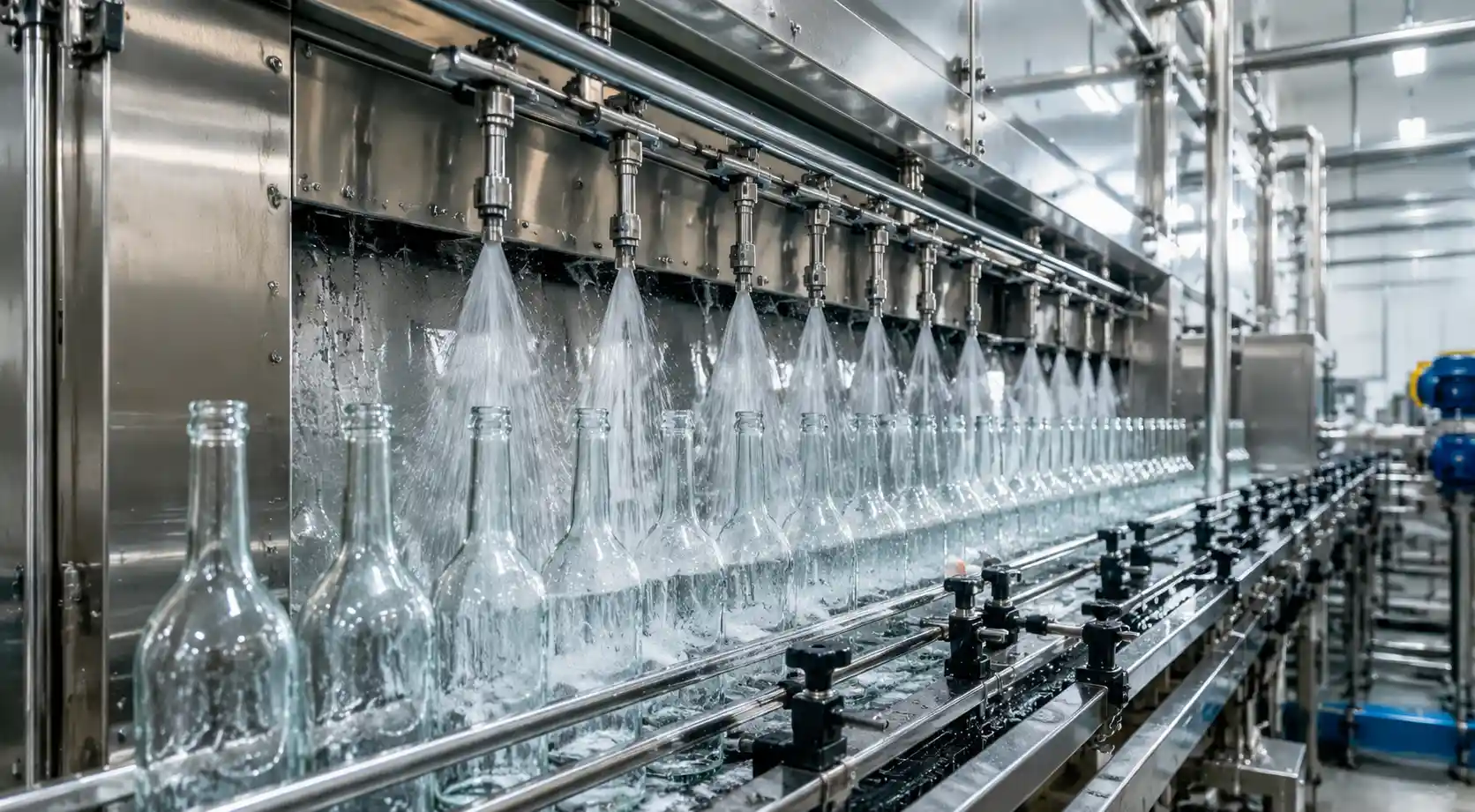
Preventing Product Cross-Contamination
ChallengeFood facilities producing multiple products including allergen-containing items (milk, eggs, peanuts, tree nuts, soy, wheat, fish, shellfish) must prevent cross-contact through validated allergen cleaning. Residual allergens at part-per-million levels cause reactions in sensitive consumers. Undeclared allergen recalls damage brands and generate legal liability. Spray system inadequacies including insufficient coverage, low mechanical action, or improper sequencing leave allergen residues. Changeover cleaning between products extends production interruptions.
SolutionOur allergen control spray nozzles enable validated changeover cleaning through high-impact spray removing protein residues verified through ELISA protein testing, complete surface coverage eliminating uncontacted areas where allergens persist, documented CIP procedures with defined parameters (time, temperature, concentration, flow) enabling validation, and rapid cleaning cycles (15-45 minutes) minimizing changeover time. Multi-stage CIP programs include alkaline wash removing proteins, acid rinse neutralizing and removing minerals, and sanitizer application eliminating bacteria. ATP and allergen test swabbing after cleaning validates effectiveness before next production run.
View Cleaning & Washing Solutions →Food & Beverage Application Example
Dairy Processing Plant CIP System Optimization
Problem: A dairy plant processing milk, yogurt, and ice cream used CIP cycles consuming 800 liters of water and 90 minutes per 5000-liter processing tank. Multiple daily cleanings totaled 12,000 liters water and 9 hours lost production time. Existing static spray balls provided poor coverage leaving protein films in tank corners discovered during visual inspection. Manual re-cleaning extended cycles and increased labor costs. Rising water costs and environmental goals pressured consumption reduction.
Solution: Replaced static spray balls with rotary spray heads providing 360° coverage and high-impact cleaning. Optimized CIP sequence reducing alkaline wash time from 15 to 8 minutes and final rinse from 10 to 5 minutes based on conductivity monitoring versus fixed time. Implemented water recovery system capturing final rinse for pre-rinse in next cycle. Added automated flow and temperature verification ensuring proper conditions before proceeding to next step.
Results:
- Water consumption reduction of 35-50% through improved spray efficiency and water recovery
- Cleaning cycle time reduction from 90 to 45-60 minutes increasing daily production capacity
- Energy savings of 30-40% from reduced hot water volume
- Cleaning effectiveness improvement validated through ATP testing showing >95% reduction and clean surfaces on visual inspection
Why Choose Us for Food & Beverage Spray Systems
Industry Experience
Sanitary Certified
Customization
Engineering Support
Recommended Nozzle Solutions
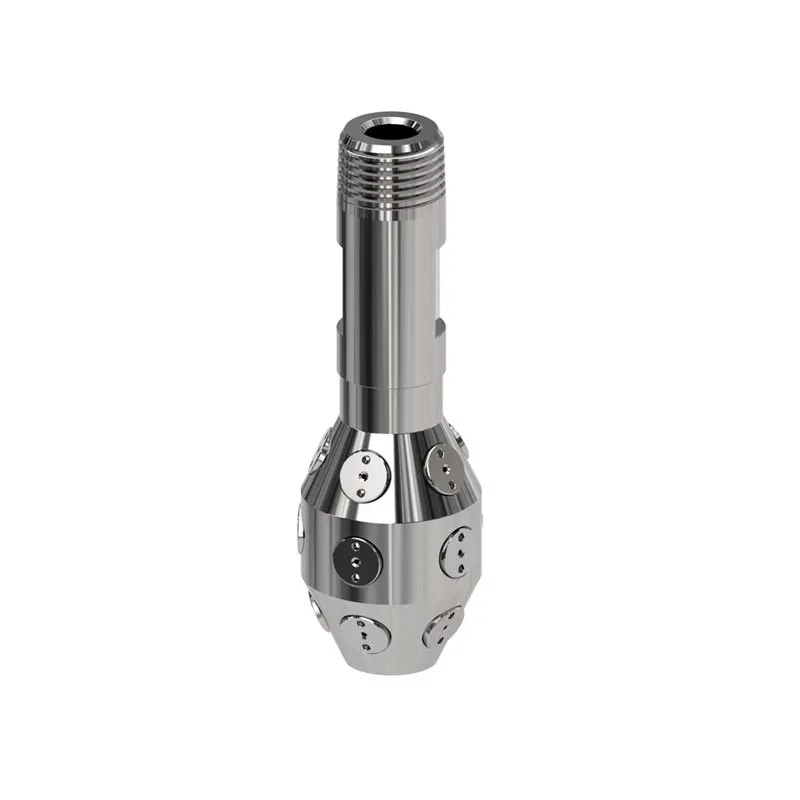
Tank Washing Nozzle K4-9800
Application: CIP systems, dairy tanks, beverage vessels
Material: 316L Stainless Steel
View Details →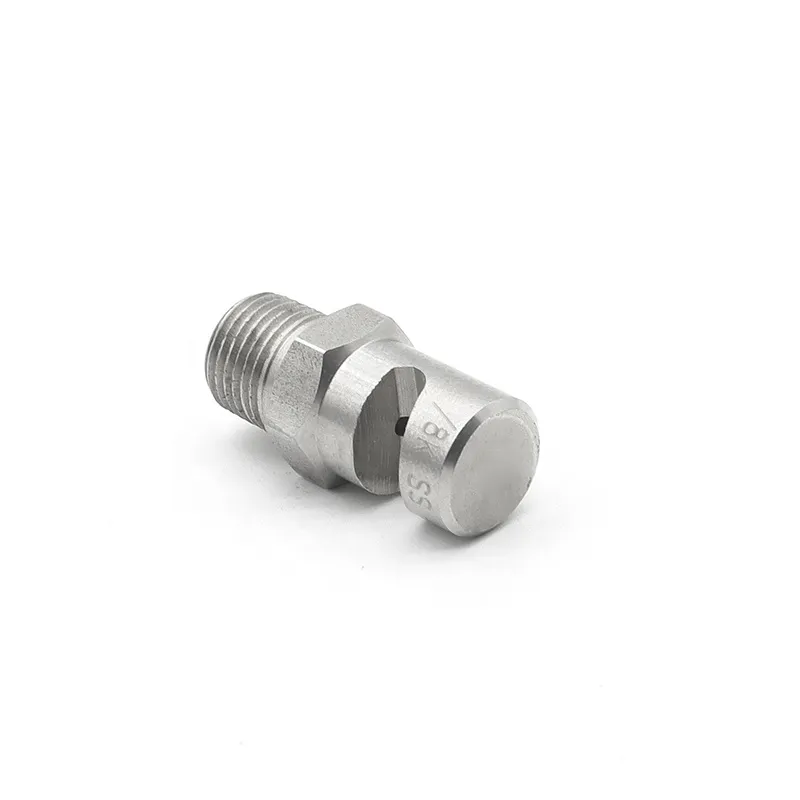
BB Series Full Cone Nozzle
Application: Bottle washing, conveyor spray, general food use
Material: 316 Stainless Steel / Brass
View Details →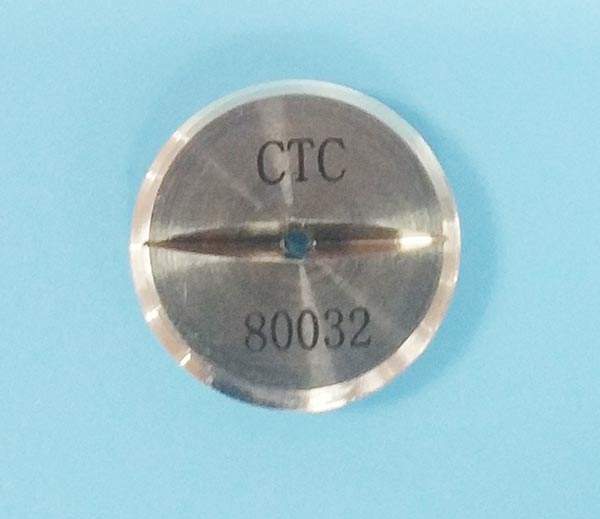
High Pressure Cleaning Nozzle
Application: Wash-down, equipment cleaning, sanitation
Material: 316 Stainless Steel
View Details →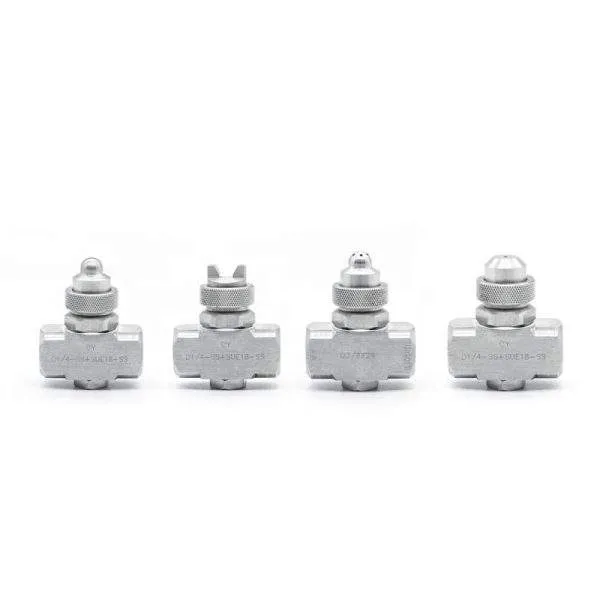
D Series Air Atomizing Nozzle
Application: Food coating, glaze application, moisture control
Material: Stainless Steel / PVDF
View Details →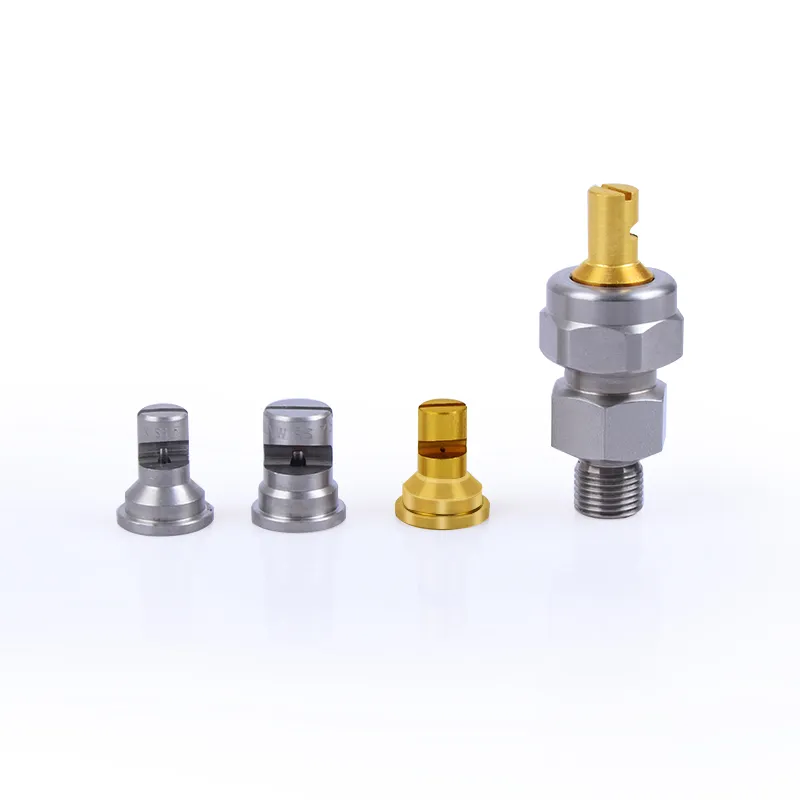
CC Flat Fan Spray Nozzle
Application: Conveyor cleaning, linear spray coverage
Material: 316L Stainless Steel
View Details →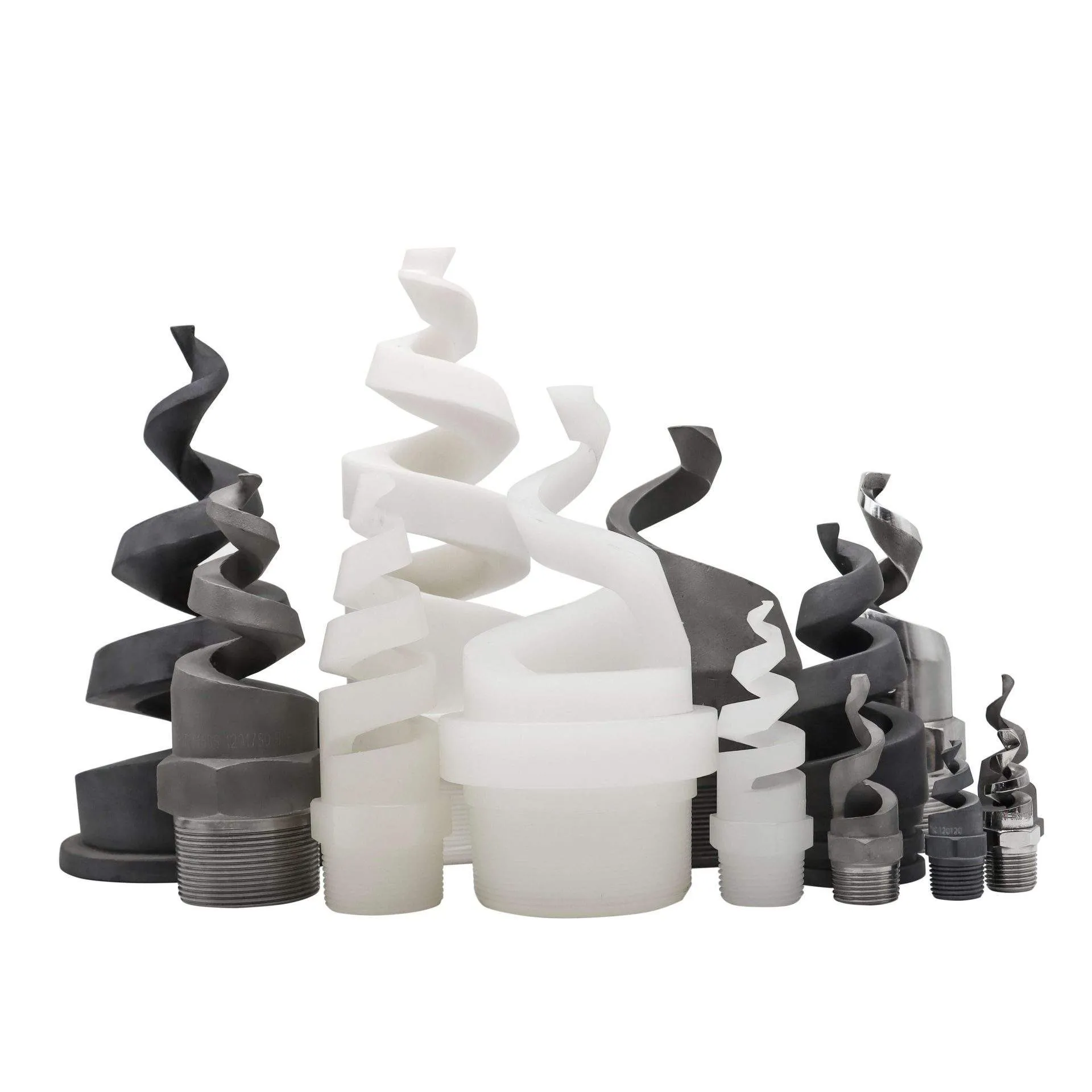
SPJT-SS-120 Spiral Nozzle
Application: Large tank cleaning, brewery vessels, mixing tanks
Material: 316 Stainless Steel
View Details →Frequently Asked Questions
Food and beverage manufacturing uses sanitary spray nozzles meeting hygienic design standards. CIP systems require 3-A certified tank cleaning nozzles with 316L stainless steel construction, crevice-free design preventing bacterial harborage, and self-draining orientation eliminating liquid accumulation. Rotary spray heads provide 360° coverage cleaning large vessels in dairy, brewing, and beverage production. Bottle and can washing lines employ high-pressure flat fan or full cone nozzles removing labels and residues at 10-30 bar. Food processing uses sanitary air atomizing nozzles applying coatings, glazes, and moisture with FDA-approved materials. Facility wash-down requires trigger spray guns and hose stations with quick-disconnect sanitary couplings. Conveyor cleaning employs flat fan nozzles with self-cleaning designs preventing food particle accumulation. All food contact nozzles must use 316L or 316 stainless steel with electropolished finish (Ra ≤0.8 μm), resist cleaning chemicals (caustic, acid, chlorine, quaternary ammonia), and enable inspection and cleaning validation. Typical flow rates range from 5-500 L/min depending on vessel size and application.
Yes, we manufacture spray nozzles certified to 3-A Sanitary Standards for dairy and food equipment. Our 3-A nozzles feature crevice-free construction with smooth radius transitions eliminating bacterial harborage sites per Standard 38-01, 316L stainless steel with electropolished surface finish to Ra ≤0.8 μm (32 μin) meeting hygienic requirements, self-draining design preventing liquid accumulation when installed per orientation markings, and cleanable construction enabling disassembly for inspection and manual cleaning when required. All welds meet 3-A standards with smooth flush surfaces and full penetration. Materials resist alkaline cleaners (2-4% caustic at 80°C), acid sanitizers (phosphoric, nitric), and thermal shock from CIP cycles. We provide 3-A symbol authorization and certificates for certified products, material certifications with heat traceability to mill test reports, surface finish validation through profilometer measurements, and installation guidance meeting 3-A piping standards. Technical support includes CIP system design, cleaning validation assistance, and regulatory documentation for FSMA preventive controls and HACCP plans.
CIP system effectiveness depends on proper nozzle selection matching tank geometry and soil characteristics. Small tanks (<5000 L) use static spray balls with 316L construction providing 360° coverage through drilled orifices creating full cone patterns covering tank surfaces. Large tanks (>5000 L) require rotary spray heads with high-impact jets (10-40 bar) removing baked-on protein and fat deposits through mechanical action. Flat-bottom tanks benefit from spray heads with concentrated downward jet cleaning tank bottoms where soil accumulates. Tall vertical tanks use multiple elevation spray devices ensuring complete wall coverage. Pipeline cleaning employs spray nozzles creating turbulent flow through piping eliminating biofilms. Heat exchanger CIP requires high-velocity flat fan nozzles penetrating plate gaps. All CIP nozzles must provide consistent flow rates enabling validated cleaning procedures, resist chemical and thermal stress from repeated cycles, feature sanitary quick-connect mounting for maintenance without threaded connections, and self-drain preventing liquid retention. We provide CIP nozzle selection based on tank dimensions and geometry, flow and pressure calculations for pump sizing, spray coverage analysis validating complete surface contact, and cleaning validation support including ATP testing protocols.
Yes, we provide replacement spray nozzles for food and beverage facilities meeting upgraded sanitary and regulatory requirements. Our engineering team conducts hygienic assessments evaluating current CIP effectiveness through ATP testing and visual inspection, reviewing existing nozzle designs for 3-A compliance and bacterial harborage risks, measuring cleaning cycle times and resource consumption, and identifying opportunities for food safety improvements or cost reduction. We offer sanitary upgrades replacing non-compliant nozzles with 3-A certified designs improving cleanability and reducing contamination risks. CIP optimization retrofits reduce water consumption by 30-50% and cycle time by 20-40% through improved spray coverage and mechanical action. Tank cleaning nozzle upgrades eliminate manual re-cleaning saving 1-3 hours daily per tank. Most food facility nozzle retrofits achieve payback within 12-30 months through water and energy savings, increased production capacity from faster cleaning, reduced labor, and improved food safety compliance. Installation services include hygienic installation procedures, cleaning validation testing support, and documentation for regulatory inspections and third-party food safety audits.
Food processors achieve 30-50% CIP resource reduction through system optimization. First, upgrade to high-efficiency spray nozzles delivering concentrated mechanical cleaning action reducing required water volume and time. Implement multi-stage CIP sequences with pre-rinse removing gross soil, alkaline wash removing proteins and fats, acid rinse neutralizing and removing minerals, and final rinse verified through conductivity monitoring rather than fixed time ensuring only necessary water use. Add water recovery systems capturing final rinse water for pre-rinse in subsequent cycles reducing fresh water requirements by 20-40%. Install automated control systems with real-time monitoring (conductivity, turbidity, temperature) adjusting cycle parameters based on actual soil load rather than conservative fixed programs. Optimize chemical concentrations through laboratory testing determining minimum effective levels typically 1-2% caustic versus traditional 3-4% providing adequate cleaning. Use variable frequency drive pumps delivering only required flow and pressure for each CIP stage. Implement equipment-specific CIP programs optimizing for tank size and soil type versus single program for all vessels. Install flow meters verifying proper delivery and detecting system degradation. Typical annual savings of $50,000-300,000 for medium food plants from reduced water, sewage, chemicals, and energy with payback periods of 15-30 months on optimization investments.
Food industry spray nozzle maintenance follows strict hygienic procedures preventing contamination. CIP nozzles require weekly visual inspection during routine sanitation checking for food residue accumulation, damage, or missing parts with immediate replacement if deficiencies found. Monthly flow testing measures individual nozzle flow rates identifying clogged or worn units deviating >10% from specification indicating replacement needed. Quarterly disassembly and inspection of rotary spray heads checks bearing condition, seal integrity, and cleaning effectiveness with bearing lubrication using food-grade grease. Annual preventive replacement of dynamic seals prevents failures during operation causing contamination incidents. All maintenance uses sanitary procedures including hand washing, clean tools, and immediate reinstallation preventing environmental contamination. Spare nozzles maintained in clean storage with sanitary packaging ready for emergency replacement minimizing downtime. Maintenance records document nozzle identification, replacement dates, and flow test results supporting cleaning validation and regulatory inspections. Quick-connect sanitary fittings enable tool-free replacement during sanitation windows without production interruption. We provide food-grade maintenance procedures meeting GMP requirements, spare parts programs with 3-A certified components, and technical support troubleshooting cleaning effectiveness issues including foam problems, long cycle times, and validation failures.