



Environmental Protection Spray Nozzles Manufacturer
Leading environmental spray nozzles manufacturer: gas scrubbing, odor control, VOC abatement, wastewater treatment. Chemical-resistant nozzles for pollution control and environmental compliance.
Industry Overview
The environmental protection industry demands specialized spray
technology for pollution control and treatment. Modern
environmental facilities face challenges including meeting
increasingly stringent emissions regulations, removing diverse
pollutants efficiently, minimizing water and chemical
consumption, and ensuring reliable operation with minimal
maintenance.
Spray nozzles are essential in air pollution control for acid
gas scrubbing and particulate removal, odor control systems
for wastewater treatment plants and industrial facilities,
VOC abatement through absorption and oxidation, cooling towers
for process cooling, and wastewater treatment for aeration
and chemical mixing.
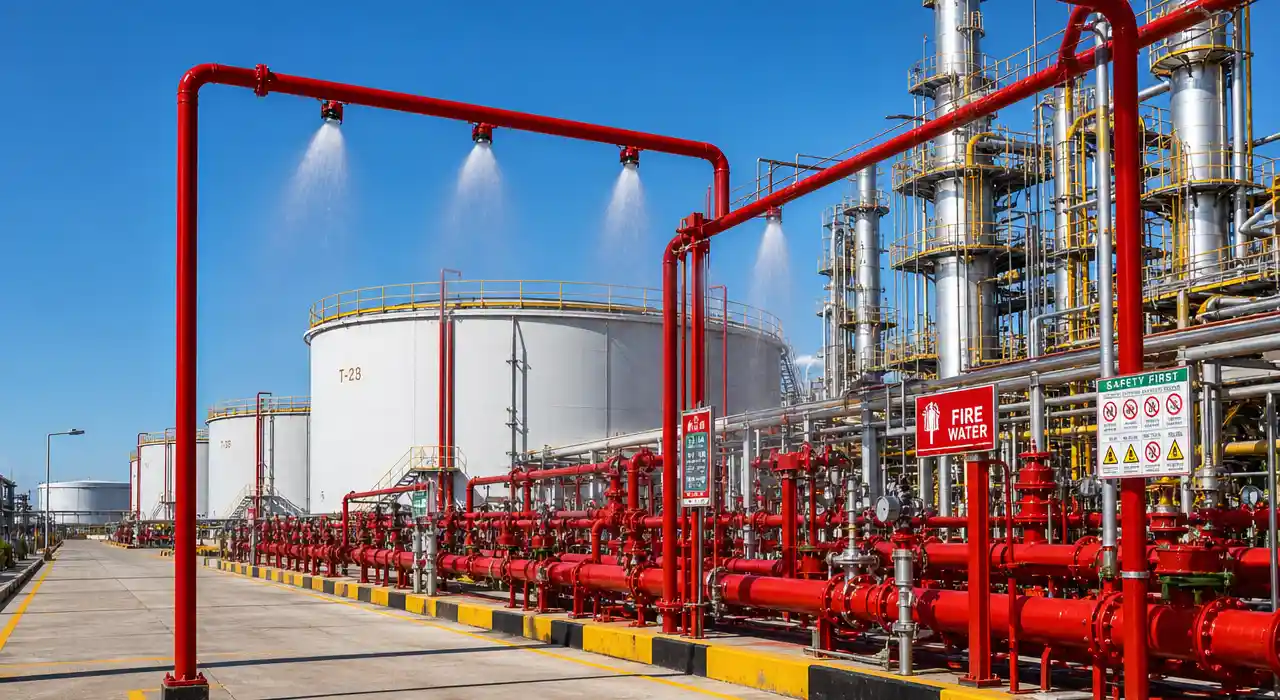
Environmental Treatment Operations
Air Pollution Control
Acid Gas Scrubbing, Particulate Removal
Odor Control
Chemical Scrubbing, Biological Filtration
VOC Abatement
Absorption, Thermal Oxidation Quench
Wastewater Treatment
Aeration, Chemical Mixing, pH Control
Cooling Systems
Process Cooling, Evaporative Cooling
Dust Suppression
Fugitive Emissions Control
Environmental Protection Challenges & Solutions
Achieving High Pollutant Removal Efficiency
ChallengeEnvironmental regulations require 90-99% removal of pollutants including SO2, HCl, H2S, ammonia, and VOCs. Poor spray distribution creates channeling in packed towers allowing pollutant bypass reducing removal efficiency. Inadequate liquid-gas contact from oversized droplets or insufficient surface area limits mass transfer kinetics. Non-compliant emissions result in permit violations, fines, and potential facility shutdown.
SolutionOur gas scrubbing nozzles deliver uniform liquid distribution across entire tower cross-section eliminating channeling and dead zones, create optimized droplet sizes of 500-2000 microns balancing surface area for mass transfer with minimal pressure drop, feature tangential spiral designs imparting rotational momentum ensuring complete packing wetting, and use corrosion-resistant materials including PVDF, PTFE, and 316SS for acidic or caustic service. CFD-validated nozzle arrangements provide overlapping coverage preventing gas bypass channels. Typical pollutant removal improvement from 85-92% to 95-99% ensuring regulatory compliance.
Controlling Diverse Odor Compounds
ChallengeWastewater treatment and industrial facilities emit complex odor mixtures including reduced sulfur compounds (H2S, mercaptans), ammonia, amines, and organic acids requiring multi-stage treatment. Single-stage scrubbing inadequately removes compounds with different solubilities and reactivities. Breakthrough of untreated odors during high-load conditions generates community complaints and regulatory scrutiny. Odor control systems must operate reliably 24/7 without creating secondary pollution.
SolutionOur odor control spray nozzles enable multi-stage scrubbing systems with acidic first stage removing ammonia and amines, followed by alkaline stage treating hydrogen sulfide and mercaptans, and oxidizing stage destroying residual organics. Wide-angle full cone patterns ensure complete exhaust gas treatment. Chemical-resistant PVDF construction withstands pH 1-14 environments. Large orifices (6-15mm) resist clogging from scale and biological growth. Modular designs enable capacity adjustment matching odor load variations. Integration with automated control systems optimizes chemical dosing reducing operating costs while maintaining effectiveness.
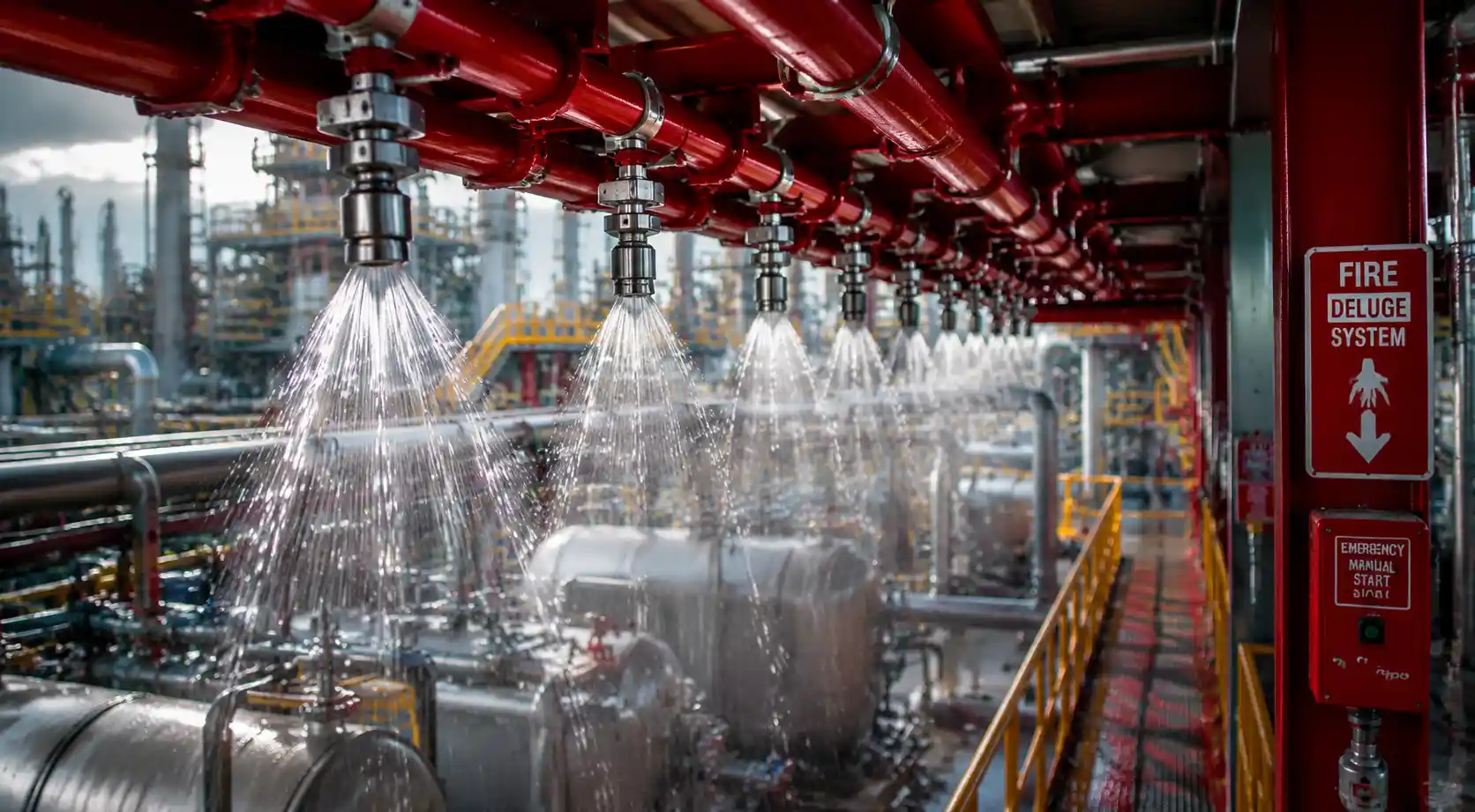
Minimizing Water & Chemical Consumption
ChallengeGas scrubbing and odor control systems consume substantial water and treatment chemicals with operating costs of $50,000-500,000 annually for medium facilities. High liquid recirculation rates increase pump energy consumption. Excessive chemical dosing raises neutralization and disposal costs. Water scarcity and discharge permit limits restrict consumption. Poor spray efficiency wastes chemicals through incomplete utilization and carryover losses.
SolutionOur optimized spray systems reduce consumption by 25-40% through precision nozzles maximizing pollutant removal per volume of scrubbing liquid, high-efficiency atomization creating maximum surface area from minimum flow, counter-current flow optimization minimizing fresh chemical requirements, and mist eliminators preventing liquid carryover reducing makeup needs. Automated control systems adjust chemical dosing based on real-time pollutant loading eliminating overfeeding. Closed-loop recycling with pH control and chemical regeneration extends scrubbing liquid life. Typical annual savings of $20,000-150,000 from reduced water, chemicals, and energy with payback periods of 12-30 months.
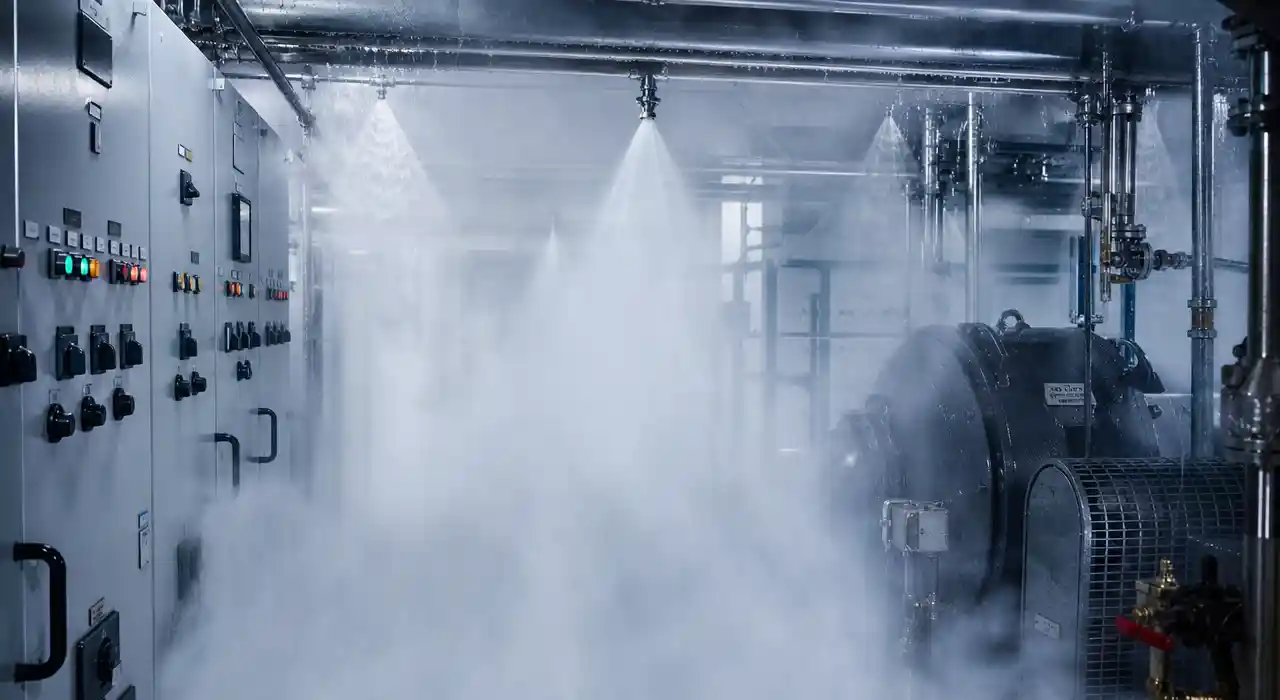
Preventing Nozzle Clogging & Scaling
ChallengeEnvironmental treatment systems accumulate scale from calcium carbonate, gypsum, and iron compounds when using municipal water or treating acid gases. Biological growth including algae and bacteria develops in recirculating scrubbing liquids creating biofilms blocking nozzle orifices. Particulate matter from process gases and treatment reactions deposits in spray headers. Clogged nozzles cause uneven distribution degrading removal efficiency and potentially violating permits. Maintenance requires system shutdowns disrupting operations.
SolutionOur clog-resistant spray nozzles feature large free passages (8-25mm) allowing scale particles and debris to pass without blockage, incorporate smooth internal flow paths minimizing deposition sites, use self-cleaning spiral designs with rotational flow continuously clearing passages, and provide quick-disconnect mounting enabling rapid replacement during planned maintenance. Upstream strainers and filtration capture oversized particles before nozzle entry. Chemical treatment programs including scale inhibitors and biocides prevent formation at source. Regular inspection programs using flow testing detect degrading nozzles before significant performance loss.
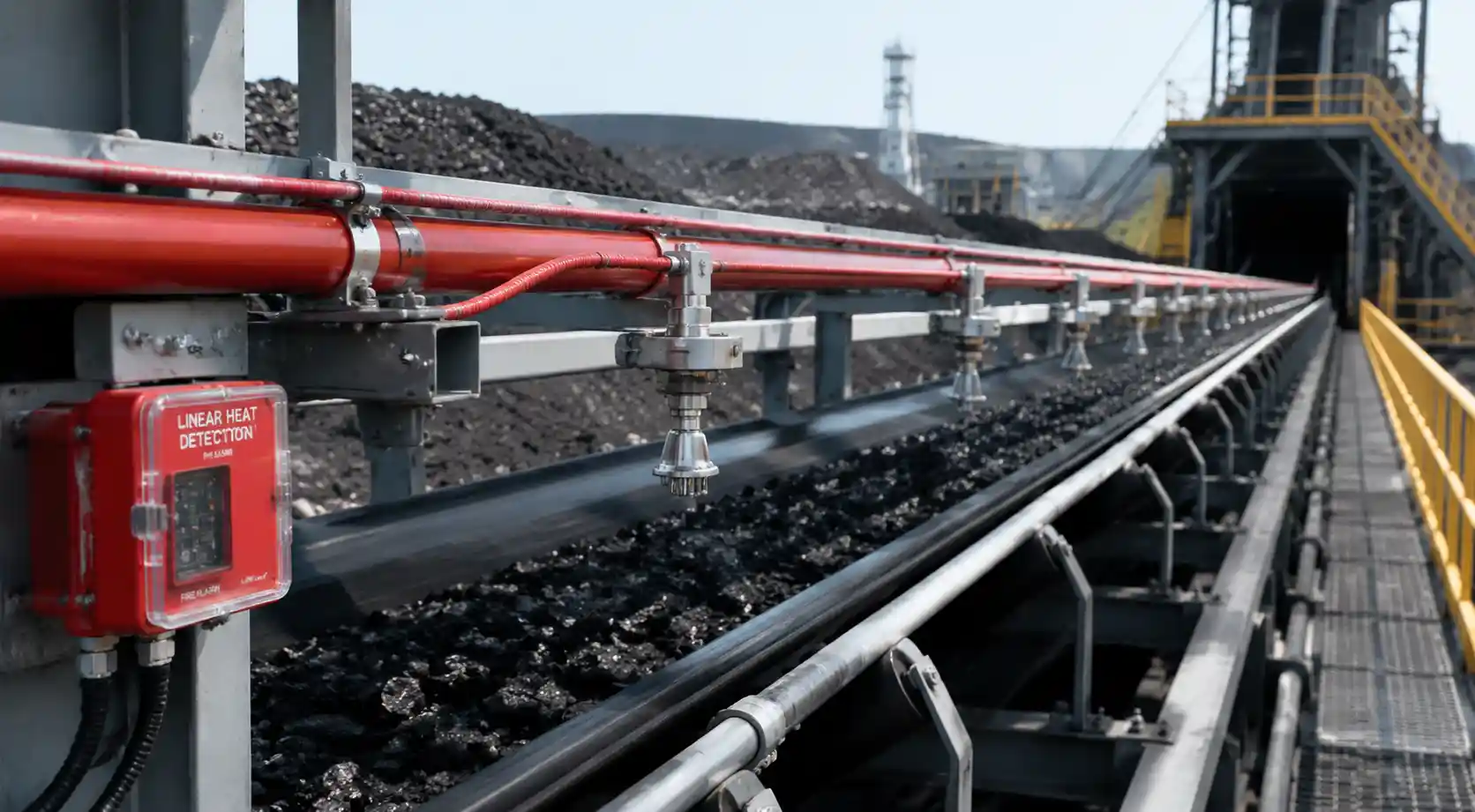
Withstanding Corrosive Environments
ChallengeEnvironmental treatment systems handle highly corrosive materials including concentrated sulfuric acid condensate from SO2 scrubbing, sodium hypochlorite solutions for odor oxidation, and mixed waste streams with pH 1-14. Standard materials corrode rapidly with service life measured in weeks or months. Corrosion failures cause leaks, spray pattern degradation, and emergency replacements. Metallic contamination from corroded components creates disposal complications for treatment residues.
SolutionOur corrosion-resistant environmental nozzles use PVDF (polyvinylidene fluoride) providing excellent resistance to acids, bases, oxidizers, and chlorinated compounds with temperature capability to 140°C, PTFE offering universal chemical resistance for the most aggressive applications, 316L stainless steel electropolished for moderate pH ranges (4-11) with superior strength, and specialized alloys including Hastelloy for hot concentrated acids. Material compatibility charts specify recommended materials for all common environmental treatment chemicals ensuring long service life typically 3-10 years depending on application severity.
Environmental Application Example
Municipal Wastewater Treatment Plant Odor Control Upgrade
Problem: A wastewater treatment plant serving 200,000 residents received increasing odor complaints from neighboring residential areas. Existing single-stage caustic scrubber inadequately removed hydrogen sulfide and mercaptans during peak sewage flow periods. Odor episodes occurred 2-5 times monthly generating community complaints and regulatory warning letters. Plant management faced pressure to improve odor control or implement expensive carbon adsorption as backup.
Solution: Designed two-stage spray scrubbing system with first stage using sodium hydroxide removing H2S and mercaptans, followed by oxidizing stage with sodium hypochlorite treating residual organics. Upgraded from basic full cone nozzles to optimized spiral nozzles improving liquid distribution uniformity. Increased nozzle quantity by 40% ensuring adequate capacity during peak loads. Implemented automated chemical dosing with real-time H2S monitoring adjusting scrubbing solution strength matching pollutant concentration.
Results:
- Odor complaint reduction of 80-95% meeting community expectations and regulatory requirements
- H2S removal efficiency improved from 85-90% to 97-99% through optimized two-stage system
- Chemical consumption reduced by 20-30% through automated dosing versus manual adjustment
- System reliability improved with reduced maintenance frequency through clog-resistant nozzle designs
Why Choose Us for Environmental Spray Systems
Industry Experience
Deployments
Customization
Engineering Support
Recommended Nozzle Solutions
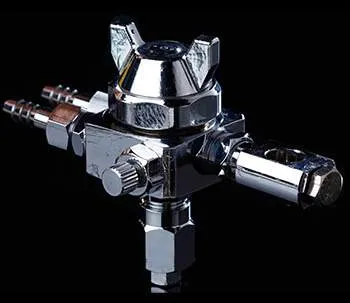
PVDF Chemical Resistant Nozzle
Application: Acid/base scrubbing, odor control, chemical treatment
Material: PVDF
View Details →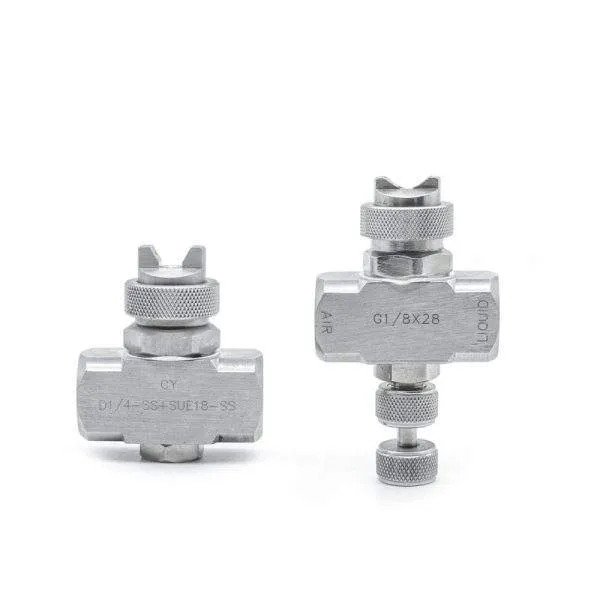
PTFE Full Cone Nozzle
Application: Universal chemical resistance, aggressive environments
Material: PTFE
View Details →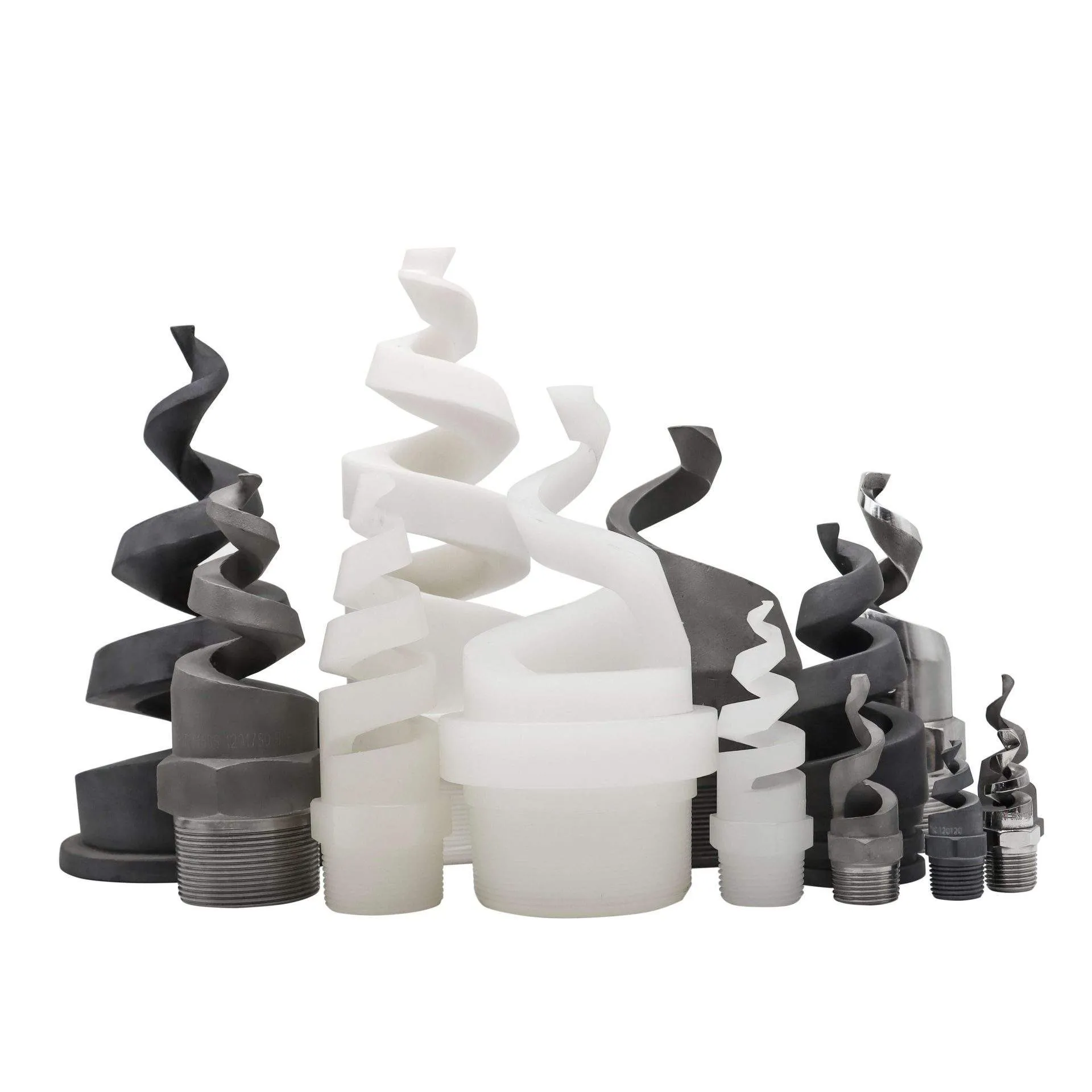
SPJT-SS-120 Spiral Nozzle
Application: Gas scrubbing, absorption towers, large-scale treatment
Material: 316 Stainless Steel
View Details →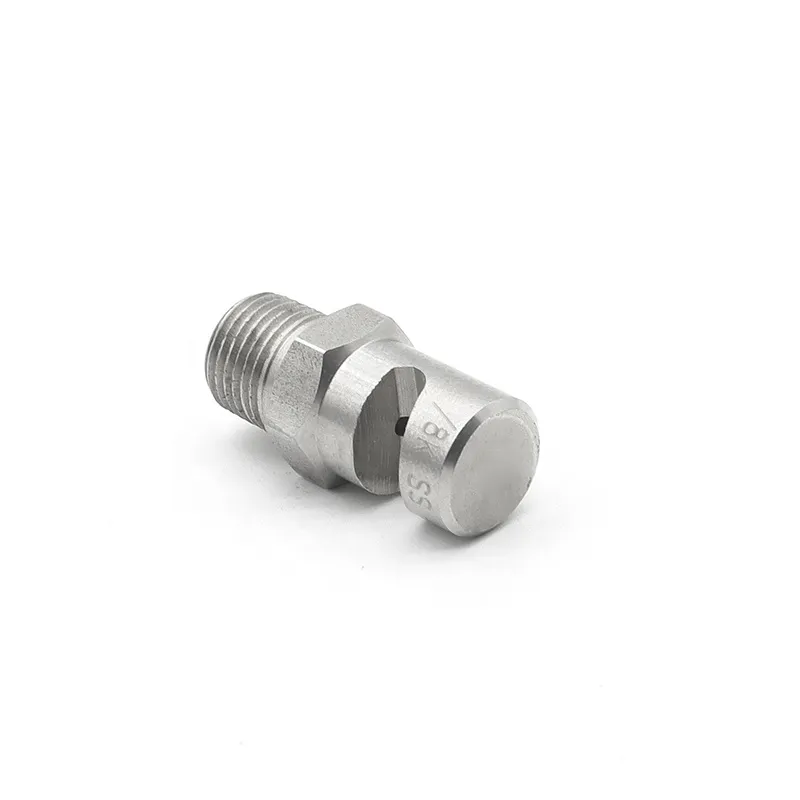
BB Series Full Cone Spray Nozzle
Application: Cooling systems, general environmental use
Material: 316 Stainless Steel / Brass
View Details →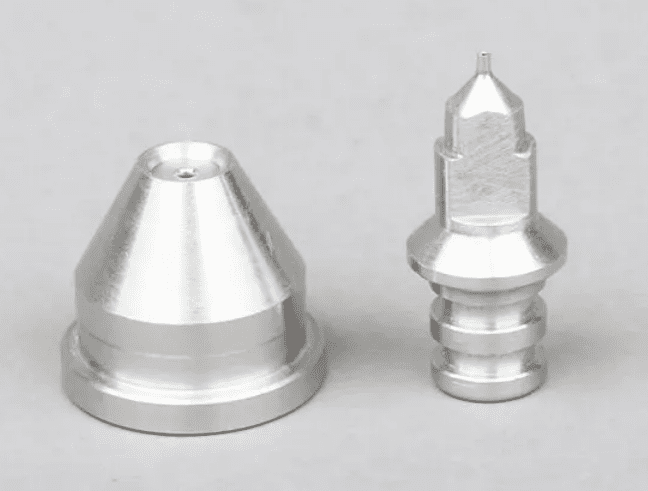
ADG Ultrasonic Atomizing Nozzle
Application: Fine mist dust suppression, odor neutralization
Material: PVDF + Stainless Steel
View Details →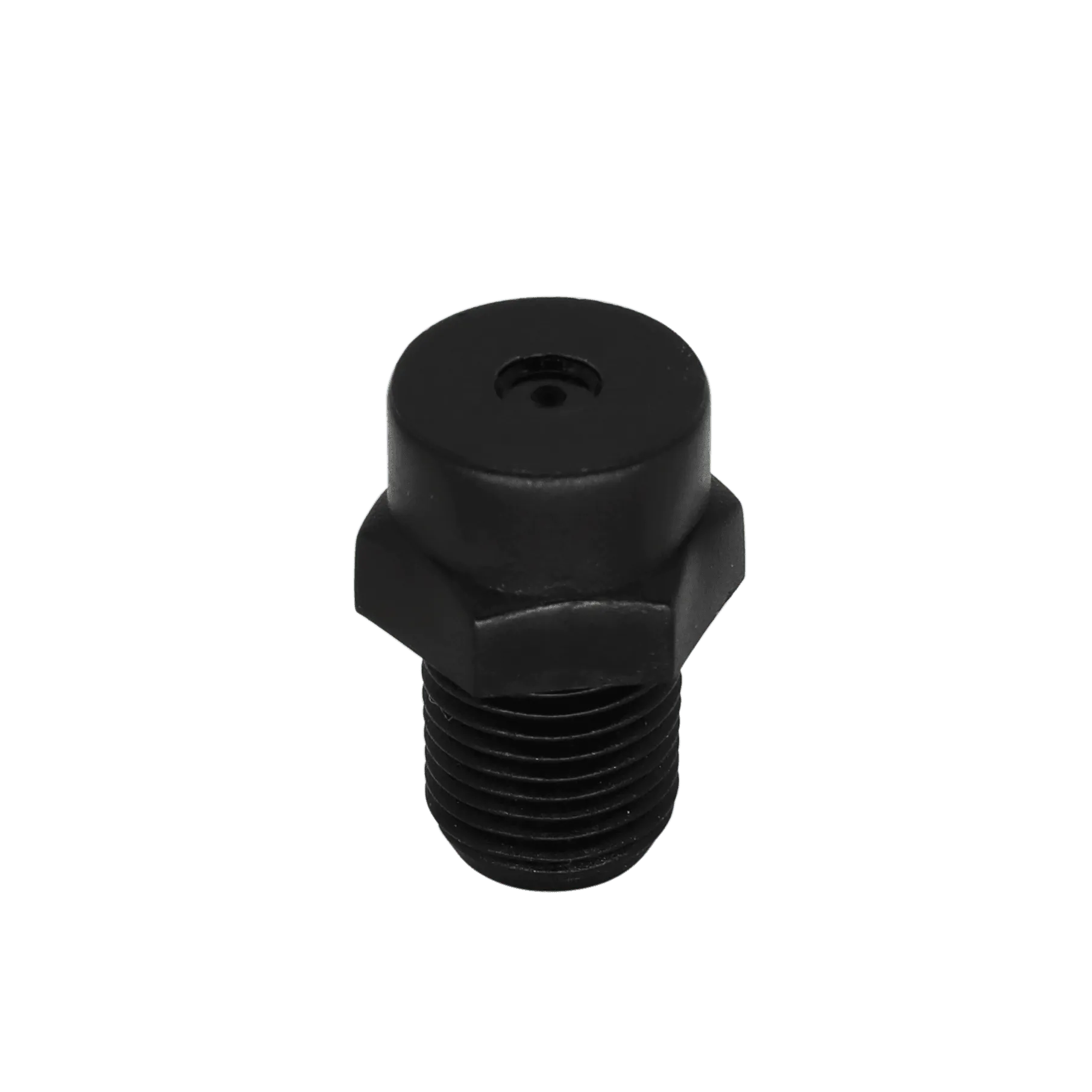
CYC-001 Plastic Misting Nozzle
Application: Dust suppression, humidification, light chemical spray
Material: Polyacetal (POM)
View Details →Frequently Asked Questions
Environmental protection systems use specialized nozzles engineered for pollutant removal and chemical resistance. Gas scrubbing systems require hollow cone or spiral nozzles creating 500-2000 micron droplets for acid gas removal with PVDF or PTFE construction resisting pH 1-14 environments. Odor control scrubbers employ full cone nozzles providing uniform exhaust gas treatment with large orifices (8-20mm) resisting clogging from scale and biological growth. VOC absorption systems use fine atomizing nozzles maximizing liquid-gas surface area for mass transfer. Dust suppression requires misting nozzles producing 50-200 micron droplets capturing airborne particles. Wastewater aeration uses coarse spray nozzles introducing oxygen with minimal pressure drop. All environmental nozzles must provide chemical compatibility validated through testing, resist corrosion in acidic or alkaline service, prevent clogging through self-cleaning designs, and deliver consistent performance meeting emissions permit requirements. Flow rates vary from 2-500 L/min depending on air volume and pollutant loading.
Yes, we specialize in spray nozzles engineered for acid gas scrubbing including SO2, HCl, H2S, and other corrosive compounds. Our scrubber nozzles feature PVDF construction providing excellent resistance to sulfuric acid condensate, hydrochloric acid, and alkaline scrubbing solutions with temperature capability to 140°C. Wide-angle hollow cone patterns (90-120°) ensure complete absorber tower cross-section coverage preventing gas bypass. Tangential spiral flow generates rotational momentum for uniform distribution across packed beds or open spray chambers. Large free passages (10-20mm) resist clogging from gypsum scale and limestone particles common in FGD systems. We provide complete nozzle arrays designed through CFD analysis optimizing spray overlap, droplet size for SO2 mass transfer (typically 1-3mm), and pressure drop minimization. Technical services include scrubber performance audits, emissions compliance testing support, nozzle wear life prediction, and retrofit engineering improving removal efficiency from typical 85-92% to 95-99%. Our acid gas scrubbing nozzles serve coal power plants, chemical facilities, waste incinerators, and metal smelters meeting EPA MACT standards and state air quality regulations.
Wastewater odor control requires multi-compound removal capability addressing hydrogen sulfide, ammonia, mercaptans, and organic acids. We recommend two-stage spray scrubbing systems with first stage using acidic solution (pH 2-4) removing ammonia and amines via full cone nozzles creating 1-2mm droplets, followed by alkaline stage (pH 10-12) treating H2S and mercaptans with hollow cone nozzles ensuring complete gas contact. Final oxidizing stage with sodium hypochlorite or hydrogen peroxide destroys residual organics. PVDF nozzle construction withstands pH 1-14 environments encountered across treatment stages. Large orifices (8-15mm) resist clogging from biological growth and scale in recirculating systems. Counter-current spray configurations maximize removal efficiency while minimizing chemical consumption. Automated control systems adjust chemical dosing based on real-time H2S or ORP monitoring optimizing performance during variable odor loads. Typical installations achieve >95% H2S removal and >90% total odor reduction eliminating community complaints. We provide pilot testing services validating treatment effectiveness and optimizing chemical selection before full-scale system design.
Yes, we provide replacement spray nozzles for environmental treatment systems including gas scrubbers, odor control units, and absorption towers. Our engineering team conducts on-site performance assessments measuring pollutant removal efficiency, documenting spray distribution uniformity through tracer testing or visualization, evaluating nozzle wear and corrosion through inspection and flow testing, and identifying opportunities for efficiency improvements or maintenance cost reduction. We offer direct replacements maintaining existing manifold connections while upgrading to superior chemical resistance, clog-resistant designs, or optimized spray patterns improving removal efficiency. For scrubber retrofits, CFD-optimized nozzle arrays can improve SO2 or H2S removal from 85-92% to 95-99% ensuring permit compliance. Odor control upgrades reduce chemical consumption by 20-40% through improved atomization and distribution. Most environmental nozzle retrofits achieve payback within 12-30 months through reduced chemical and water costs, extended nozzle service life, improved compliance margins, and decreased maintenance labor. Installation services include coordination with facility outage schedules, emissions testing support demonstrating improved performance, and documentation for permit modification submittals if capacity or efficiency changes.
Environmental facilities achieve 25-40% operating cost reduction through scrubbing system optimization. First, upgrade to high-efficiency spray nozzles with optimized droplet size maximizing pollutant removal per volume of scrubbing liquid reducing chemical consumption. Implement counter-current flow designs where fresh scrubbing solution treats nearly-clean gas while spent solution handles high pollutant loading minimizing fresh chemical requirements. Install automated chemical dosing controls with real-time pollutant monitoring (pH, ORP, H2S sensors) adjusting feed rates matching actual loading rather than conservative fixed rates. Add liquid recirculation with regeneration systems (pH adjustment, oxidation, filtration) extending scrubbing solution life before disposal. Use clog-resistant nozzles reducing maintenance labor and unplanned downtime. Optimize pressure drop through proper nozzle selection and packing media choice reducing fan energy consumption. Implement preventive maintenance programs including flow testing identifying degraded nozzles before removal efficiency drops. Install mist eliminators preventing liquid carryover reducing makeup water and chemical losses. Monitor key performance indicators including pollutant removal efficiency, liquid-to-gas ratio, and pressure drop detecting degradation early. Typical annual savings of $30,000-200,000 for medium facilities from reduced chemicals, water, energy, and maintenance with payback periods of 15-36 months on system optimization investments.
Environmental treatment spray nozzle maintenance varies by application and chemical environment. Gas scrubber nozzles require monthly visual inspection checking for scale buildup, corrosion, or clogging with quarterly flow testing measuring individual nozzle rates identifying units exceeding ±20% deviation from design. Odor control system nozzles need weekly inspection due to biological growth potential, monthly chemical cleaning using acid or alkaline solutions dissolving scale and biofilms, and semi-annual replacement in aggressive service. VOC absorption system nozzles require quarterly inspection and flow verification with annual replacement preventively due to organic solvent exposure accelerating plastic degradation. Wastewater aeration nozzles need monthly inspection for clogging from suspended solids and quarterly cleaning. All spray systems benefit from upstream filtration (40-100 mesh) removing particulates before nozzle entry, water treatment including scale inhibitors and biocides preventing formation, and automated flushing systems maintaining flow during idle periods preventing stagnation. Maintenance procedures should include proper PPE (chemical-resistant gloves, face shields), lockout-tagout isolating spray systems, and appropriate disposal of chemically-contaminated components. We provide maintenance training programs, chemical compatibility documentation, spare nozzle inventory recommendations, and technical support troubleshooting performance issues including removal efficiency degradation and unusual wear patterns suggesting process chemistry changes.