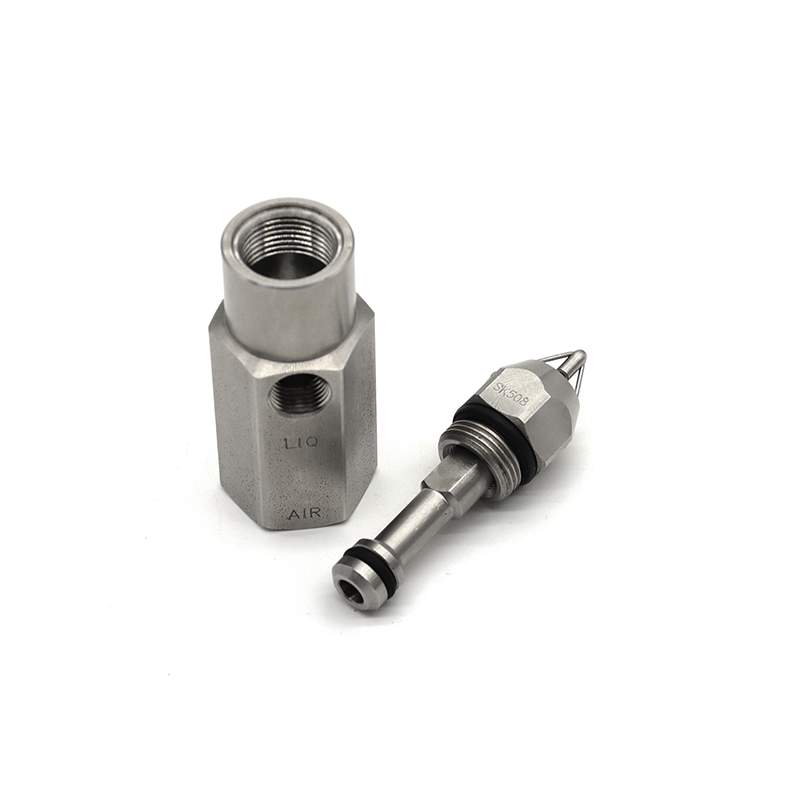


Customer pain: Regulatory compliance for airborne dust.
Requirement: Fine droplets (10-50μm) for particle agglomeration.

Effective dust control solutions for mining, cement, steel mills, and material handling. Fine mist, dry fog, and full cone nozzles for particle capture and air quality compliance.
Customer pain: Regulatory compliance for airborne dust.
Requirement: Fine droplets (10-50μm) for particle agglomeration.
Customer pain: Excessive water consumption and wetting.
Requirement: Efficient mist generation, minimal runoff.
Customer pain: Nozzle blockage causing system failure.
Requirement: Clog-resistant design, large passages.
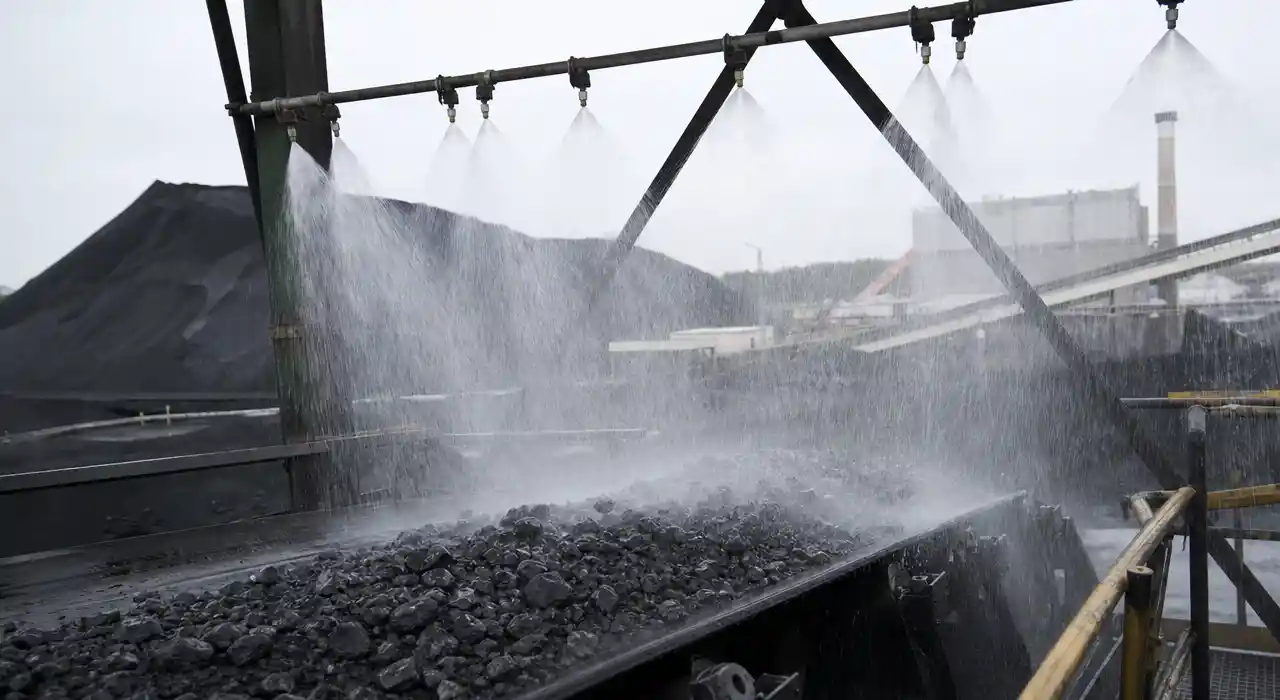
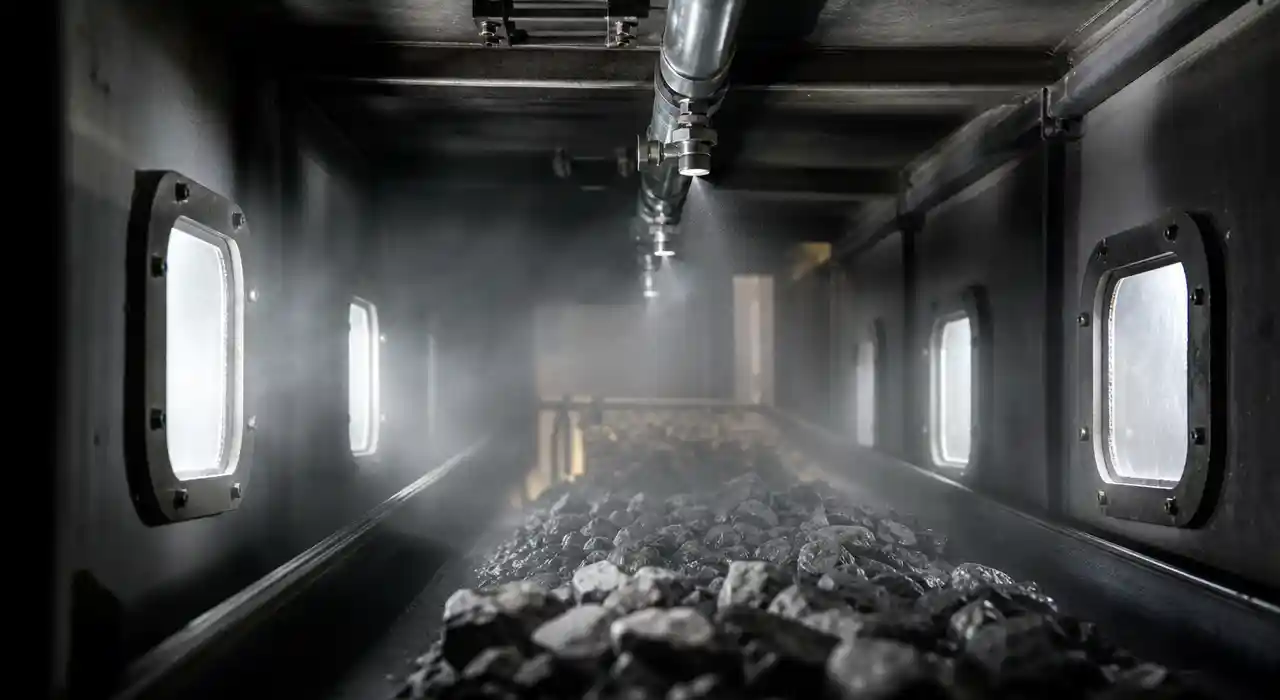
Control of fugitive dust from coal handling, storage piles, conveyors, and transfer points. Effective dust suppression reduces explosion risk and improves worker safety.
Associated Industries: Mining · Power
Suppression Challenges:
Recommended Products:
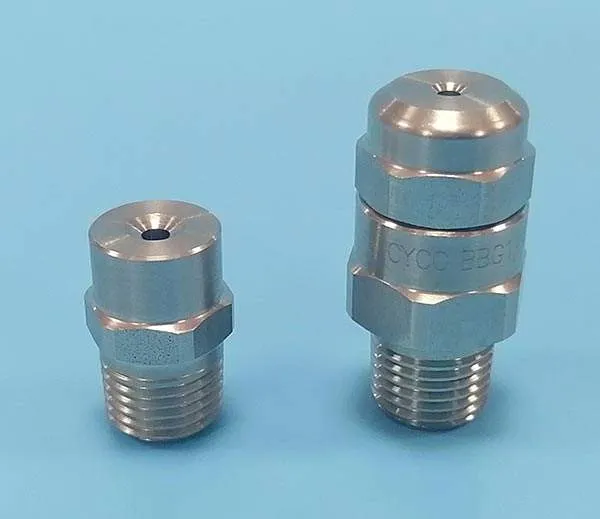 BG-W Wide Angle Full Cone – 110°–120°, 7370 L/min
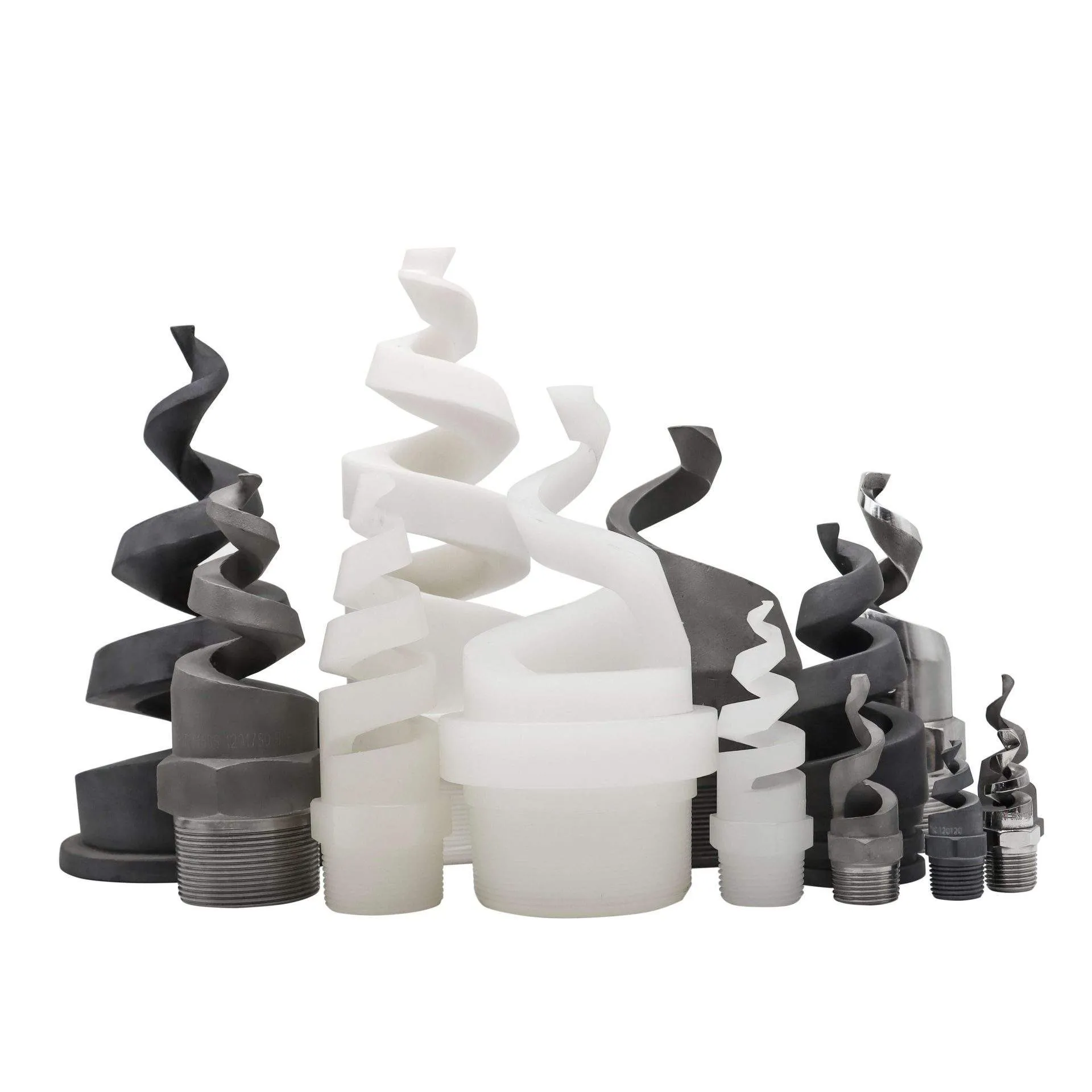 SPJT Spiral Nozzle – 60°–170°, 5.5–4140 L/min
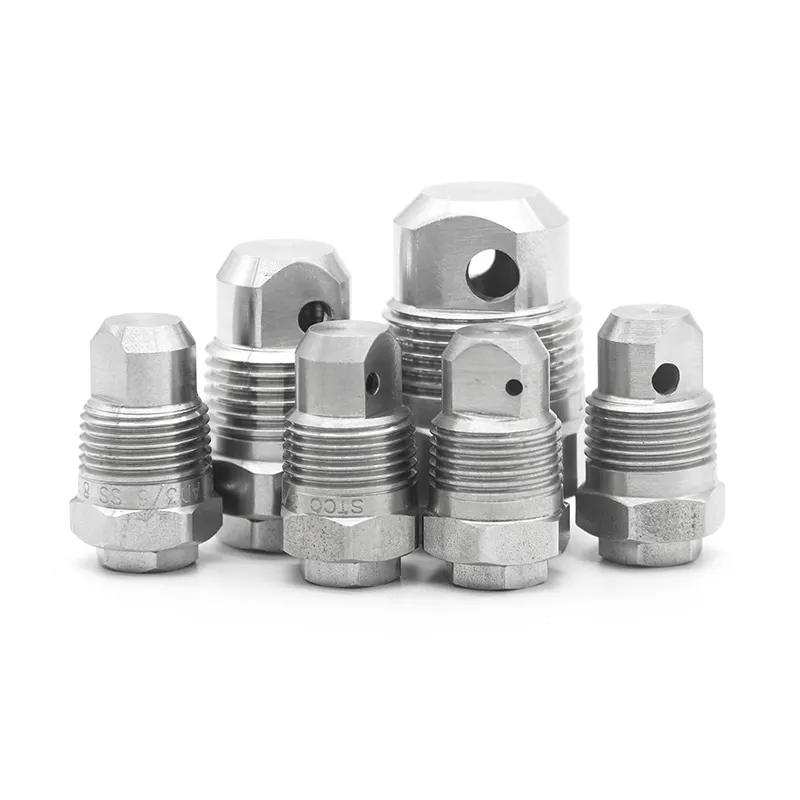 AD Hollow Cone – 50°–90°, 145 L/min
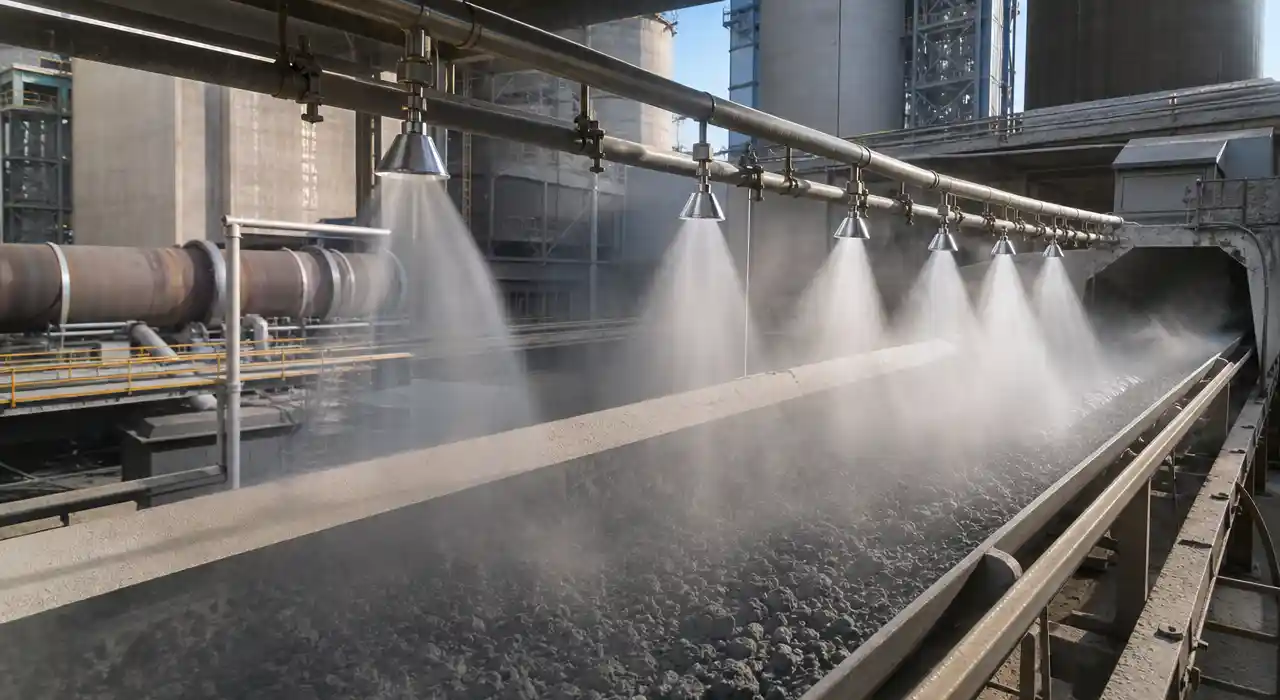
Dust suppression at crushers, mills, kilns, clinker coolers, and bagging plants. Cement dust is fine and can be highly abrasive, requiring durable nozzle solutions.
Associated Industries: Cement & Mining
Suppression Challenges:
Recommended Products:
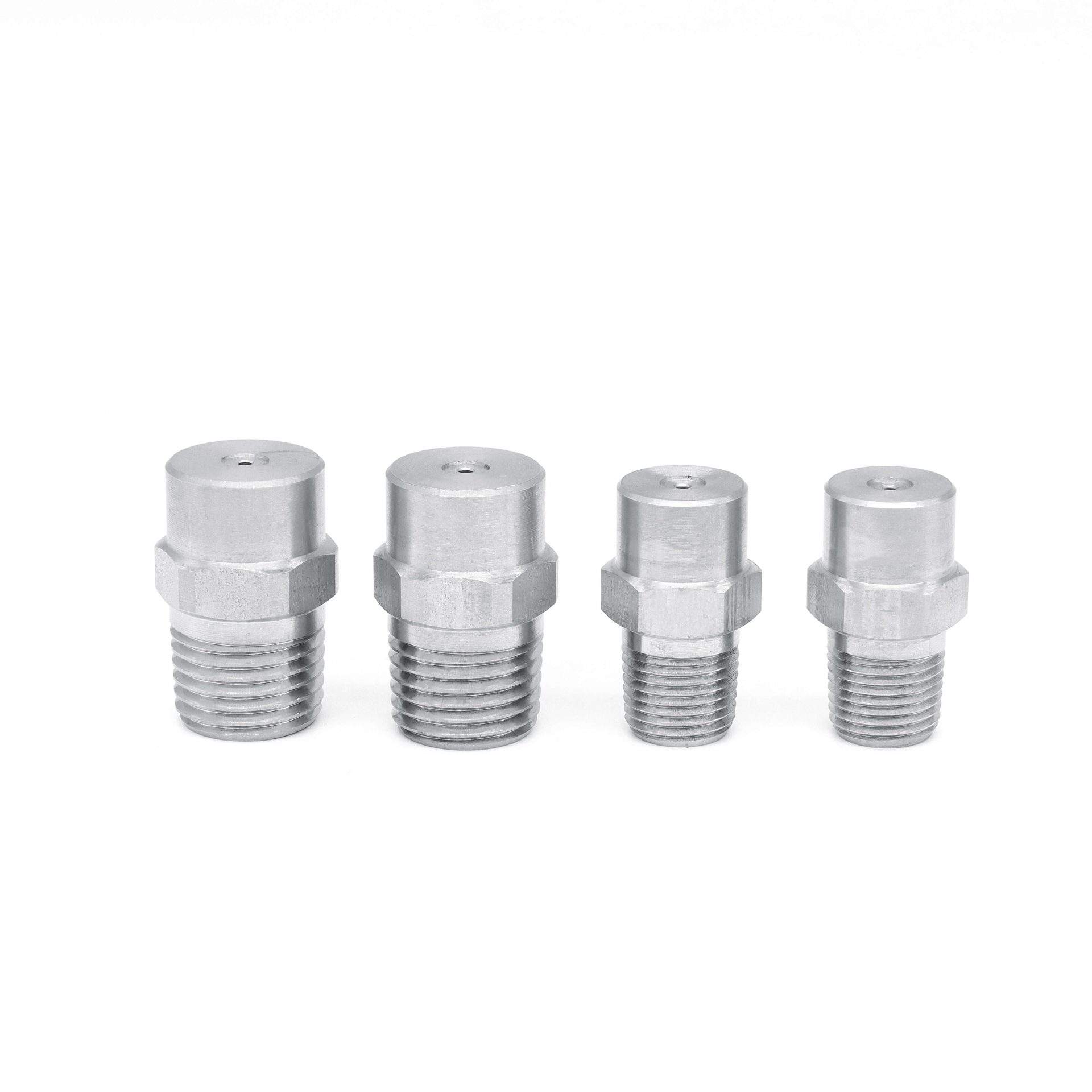 BB Standard Full Cone – 43°–106°, Brass/SS
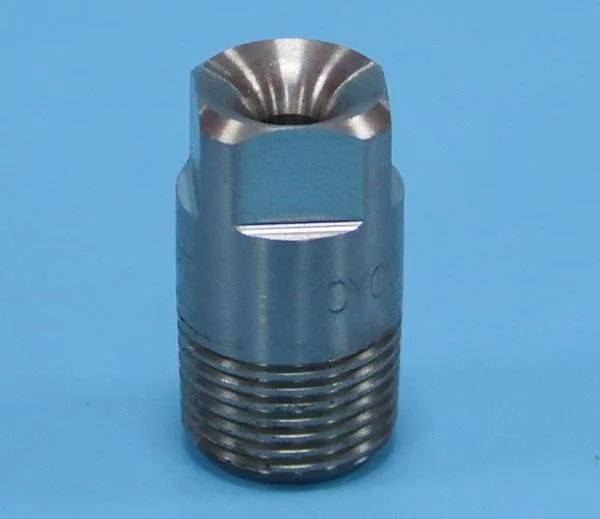 14WSQ Square Full Cone – 93°–115°, uniform spray
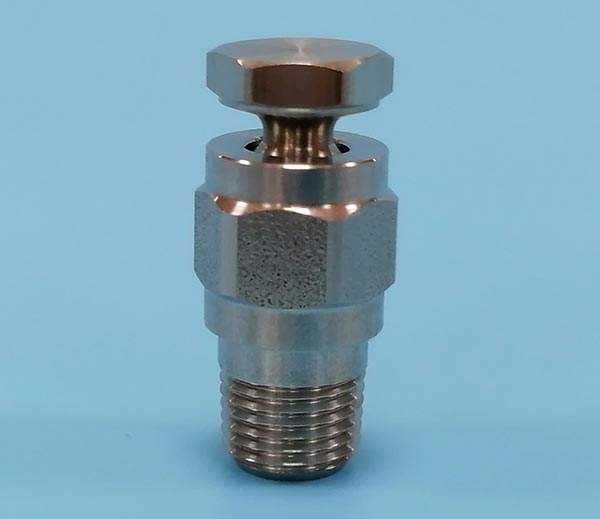 AF Hollow Cone – 120°–180°, SS/NPT
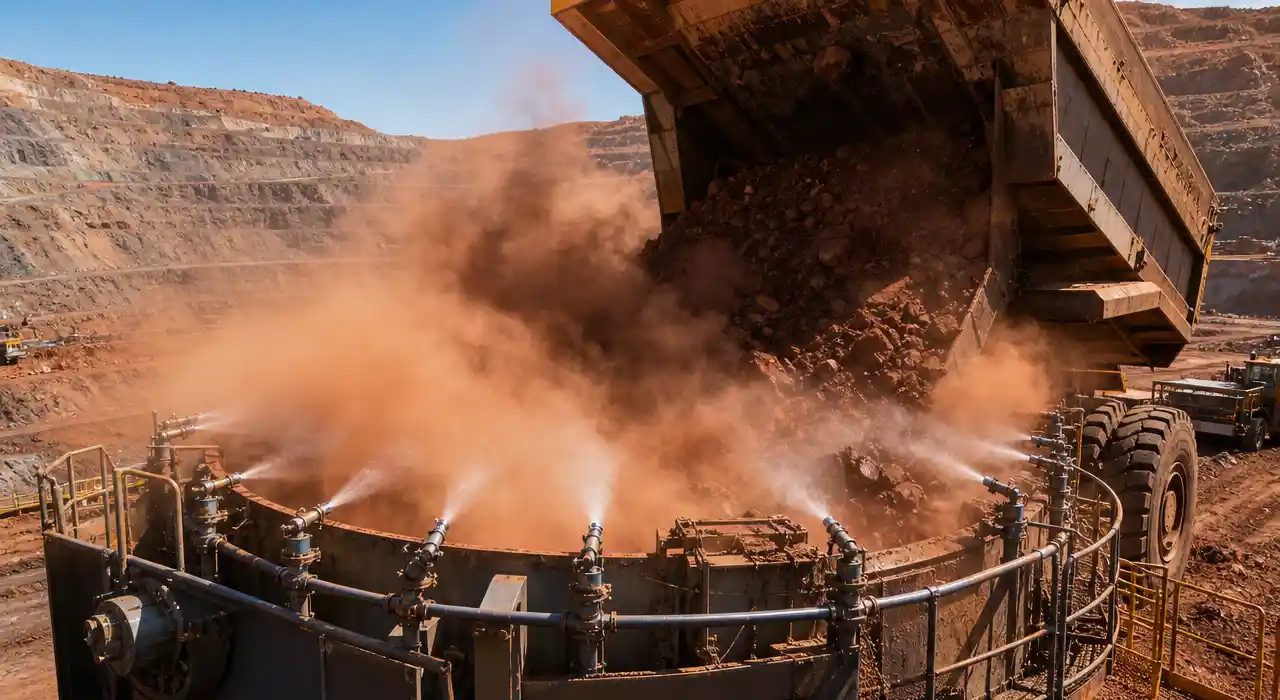
Control of dust from drilling, blasting, crushing, screening, and conveying operations. Effective suppression improves operator visibility and reduces health risks.
Associated Industries: Cement & Mining
Suppression Challenges:
Recommended Products:
SPJT Spiral Nozzle – 60°–170°, Stainless Steel
BG-W Wide Angle Full Cone – 110°–120°, 7370 L/min
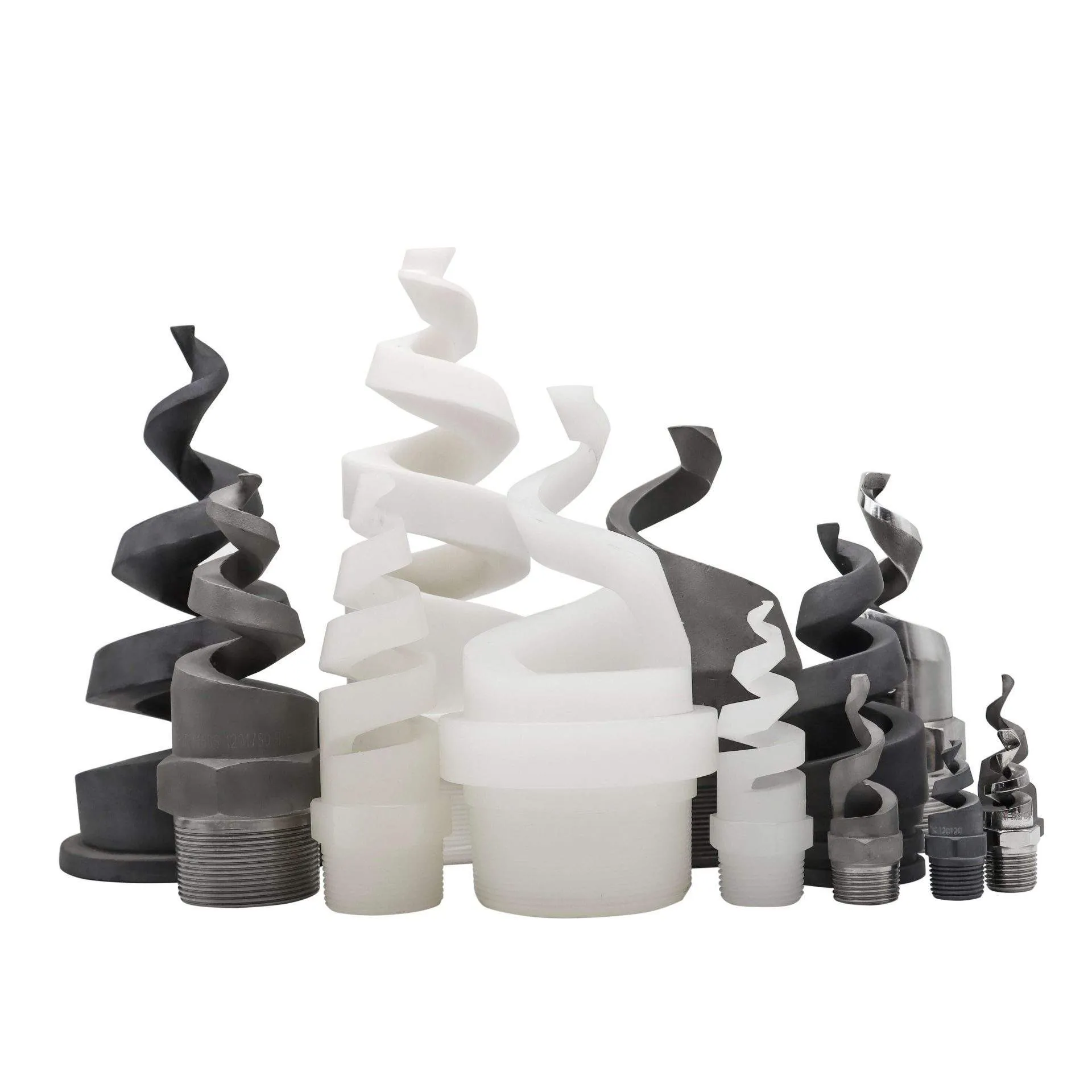 SPJT-SS-120 Spiral – 120°, 5.5–4140 L/min
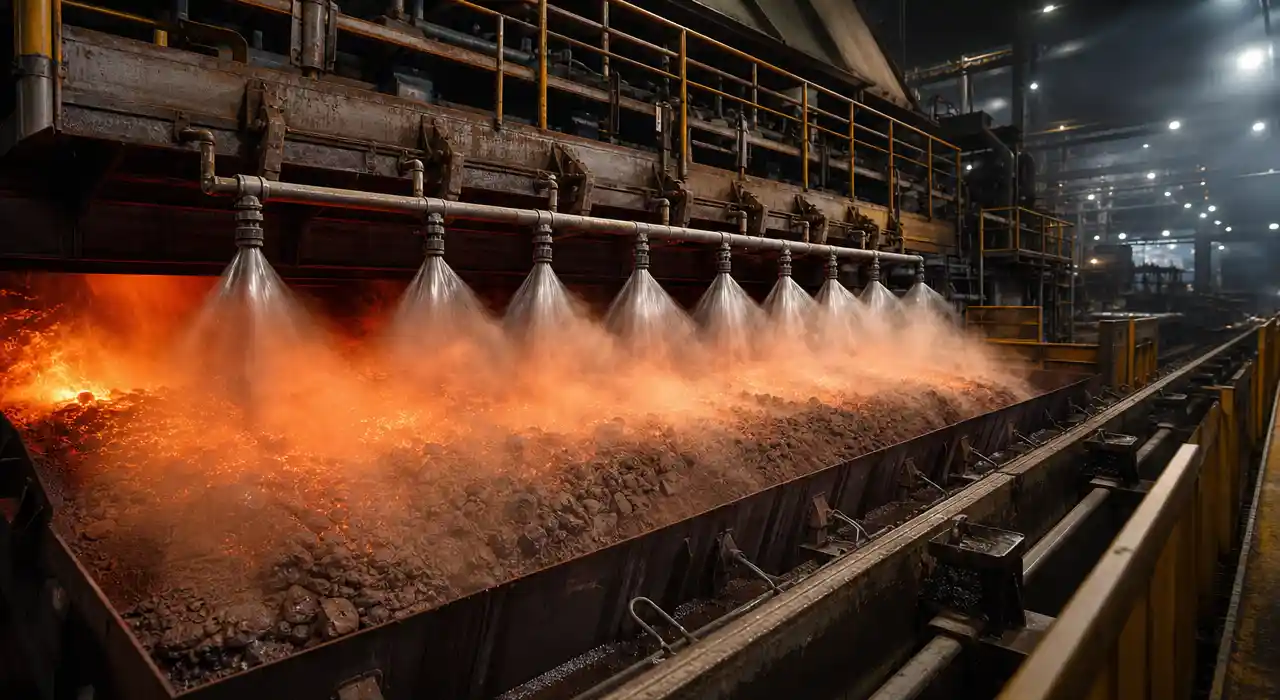
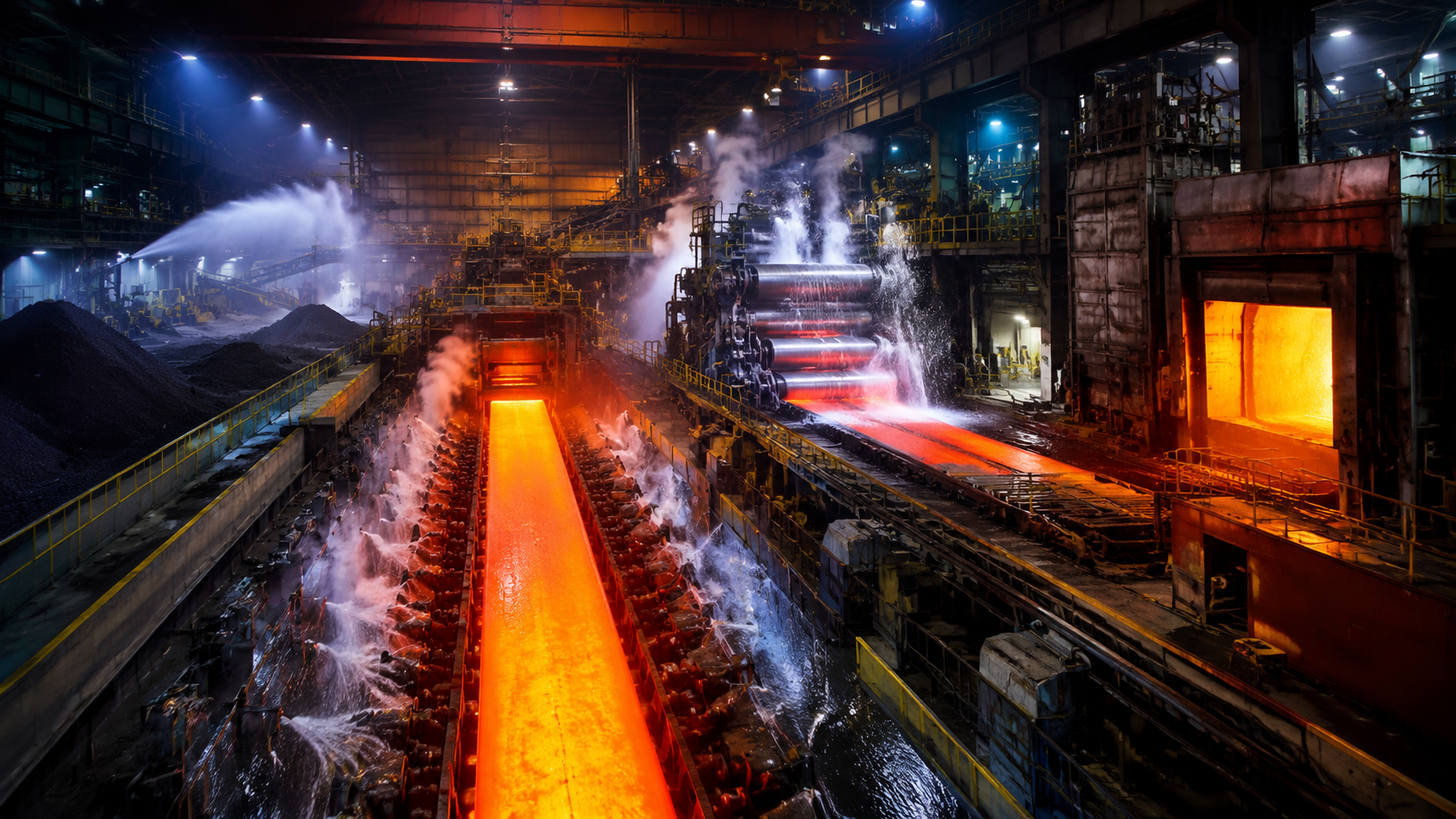
Dust suppression at sinter plants, blast furnaces, BOF, and material handling areas. Steel mill dust often contains iron oxides and is highly abrasive.
Associated Industries: Steel & Metallurgy
Suppression Challenges:
Recommended Products:
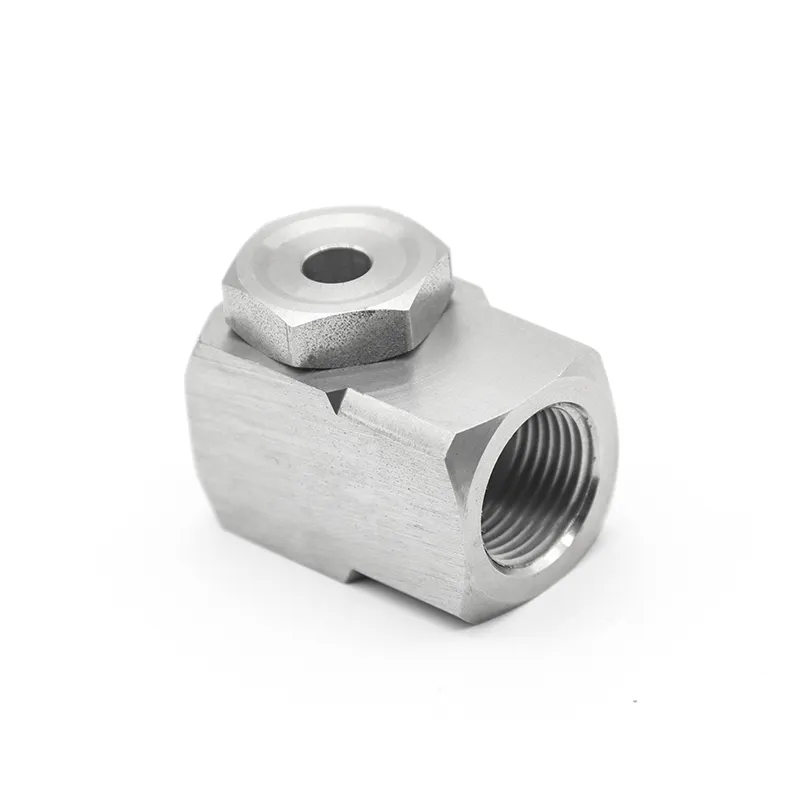 AA/A Hollow Cone – 51°–114°, Brass/SS
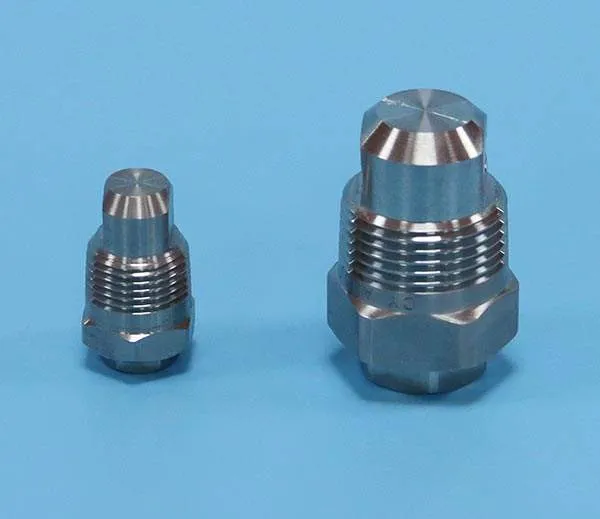 AD Axial Hollow Cone – 50°–90°, Stainless Steel
SPJT Spiral Nozzle – 60°–170°, 5.5–4140 L/min
AD Axial Hollow Cone – 50°–90°, Stainless Steel
SPJT Spiral Nozzle – 60°–170°, 5.5–4140 L/min
Dust suppression at wood processing, biomass handling, and sawmill operations. Wood dust is combustible and requires effective control for fire safety.
Suppression Challenges:
Recommended Products:
SPJT Spiral Nozzle – 60°–170°, 5.5–4140 L/min
BB Standard Full Cone – 43°–106°, Brass/SS
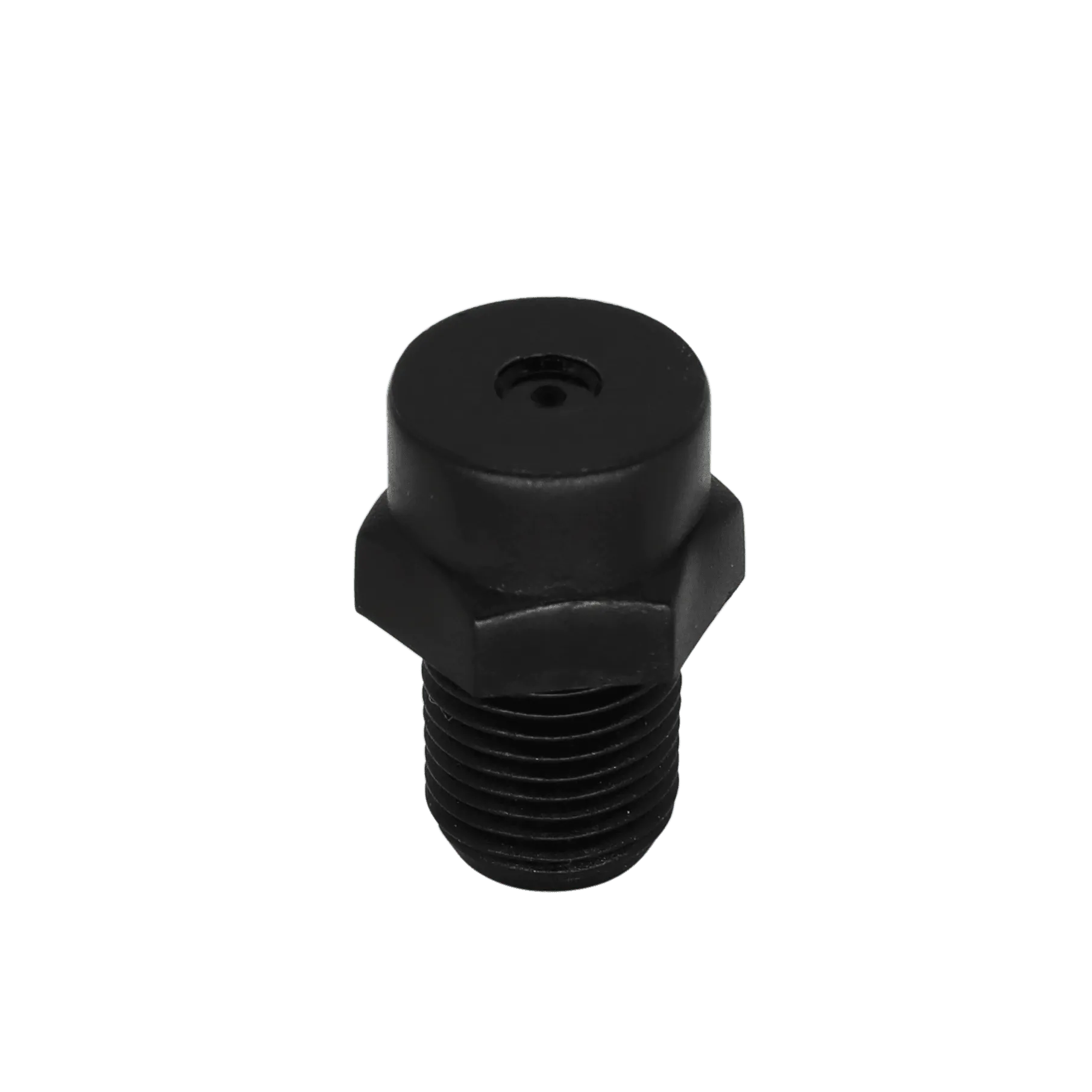 CYC-001 Plastic Misting – 20-40μm, anti-clog
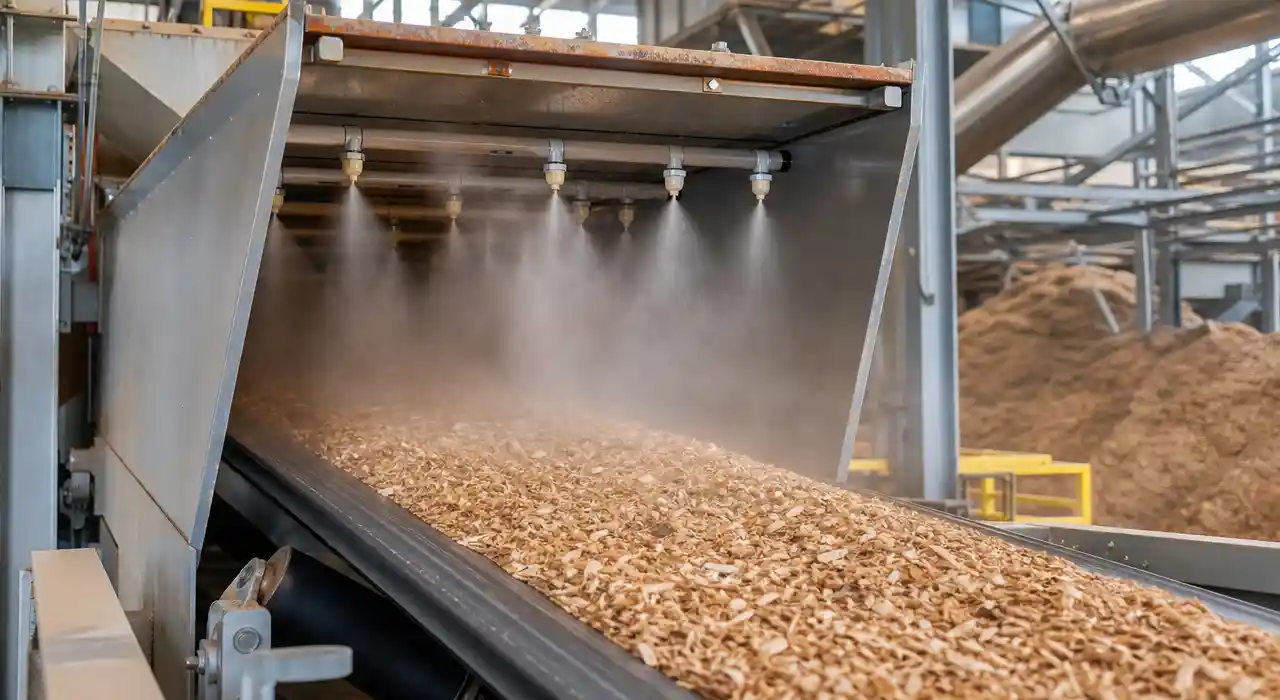
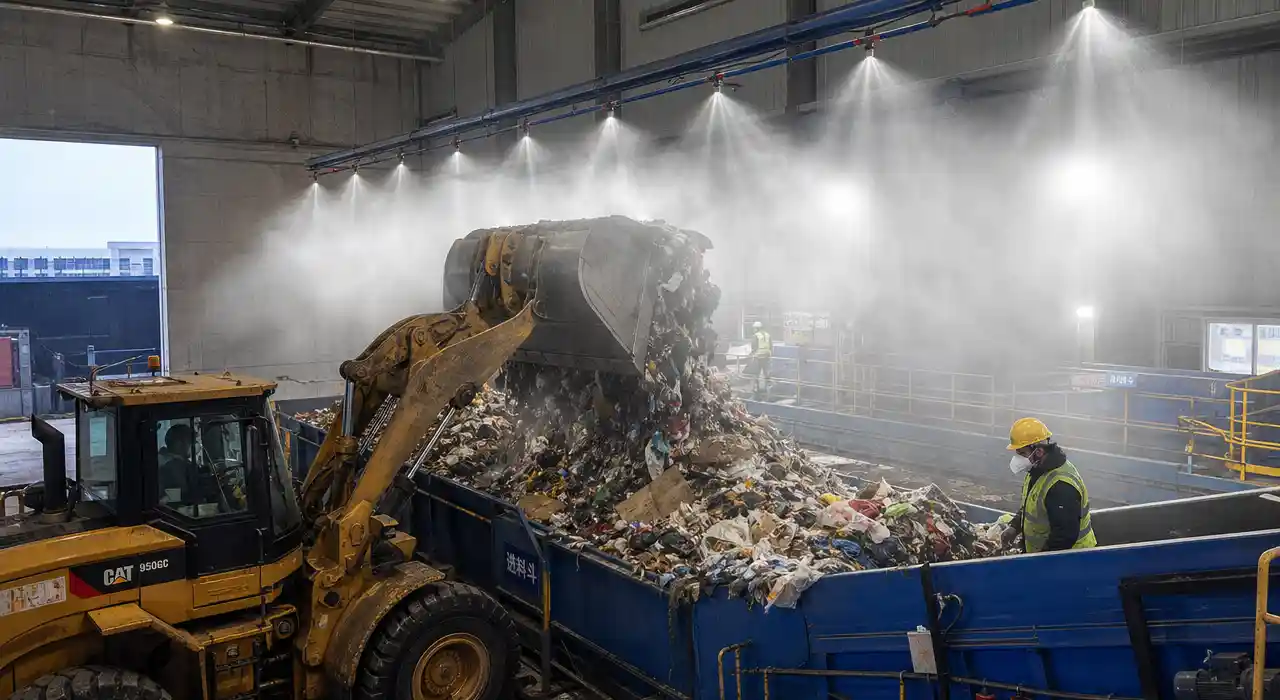
Dust and odor control at waste transfer stations, landfills, and recycling facilities. Combined systems address both airborne dust and malodors.
Associated Industries: Environmental Protection ·
Suppression Challenges:
Recommended Products:
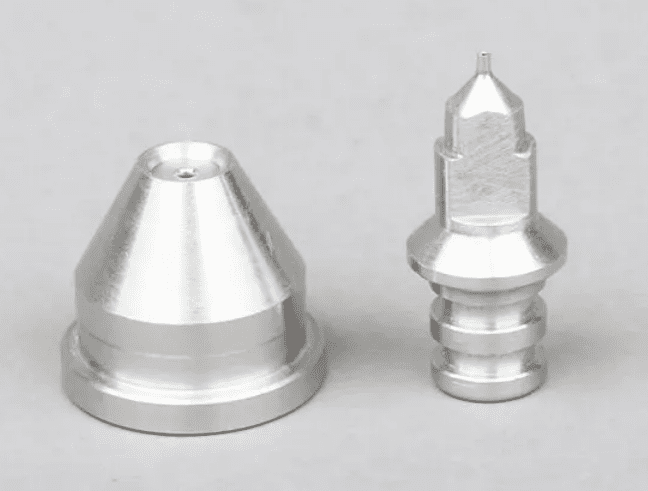 ADG Ultrasonic Atomizing – 1-10μm, 316SS
CYC-001 Plastic Misting – 20-40μm, anti-clog
AF Hollow Cone – 120°–180°, SS/NPT
ADG Ultrasonic Atomizing – 1-10μm, 316SS
CYC-001 Plastic Misting – 20-40μm, anti-clog
AF Hollow Cone – 120°–180°, SS/NPT
Ultra-fine fog (1-10μm) for dust suppression without wetting materials – ideal for confined spaces, sensitive processes, and locations where material moisture must be controlled.
Associated Industries: Environmental · Mining
Suppression Challenges:
Recommended Products:
Explore dust suppression nozzle solutions specific to your sector

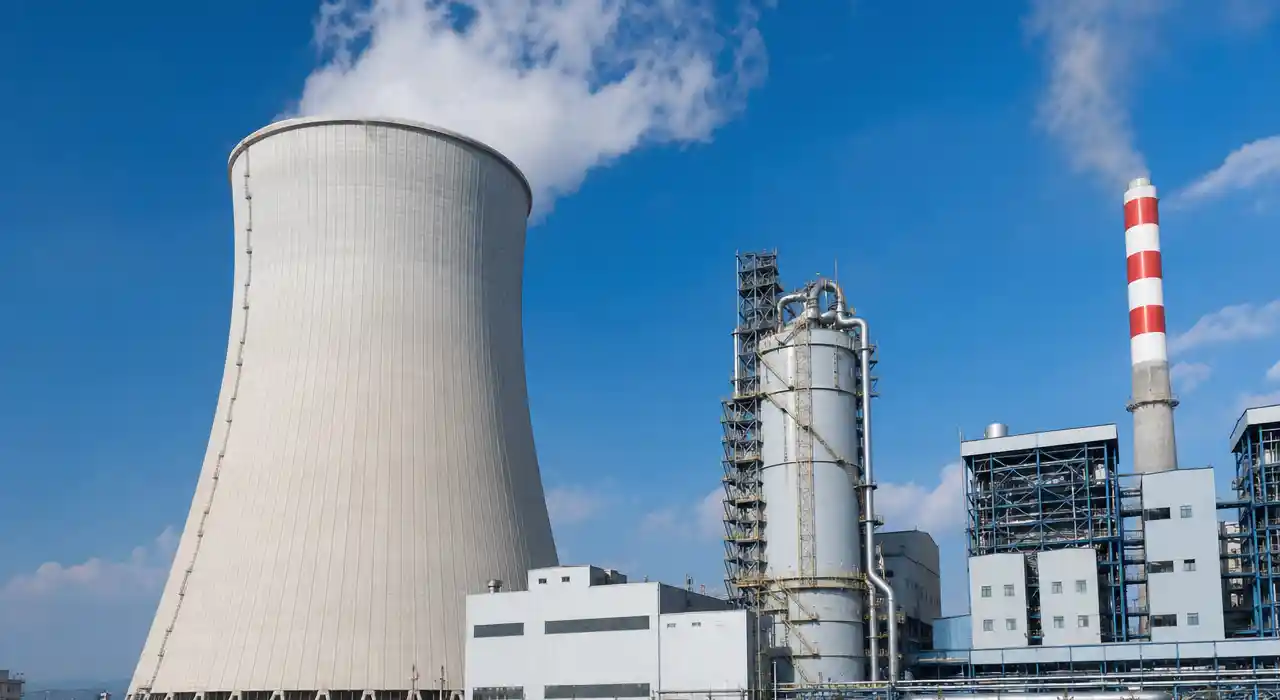
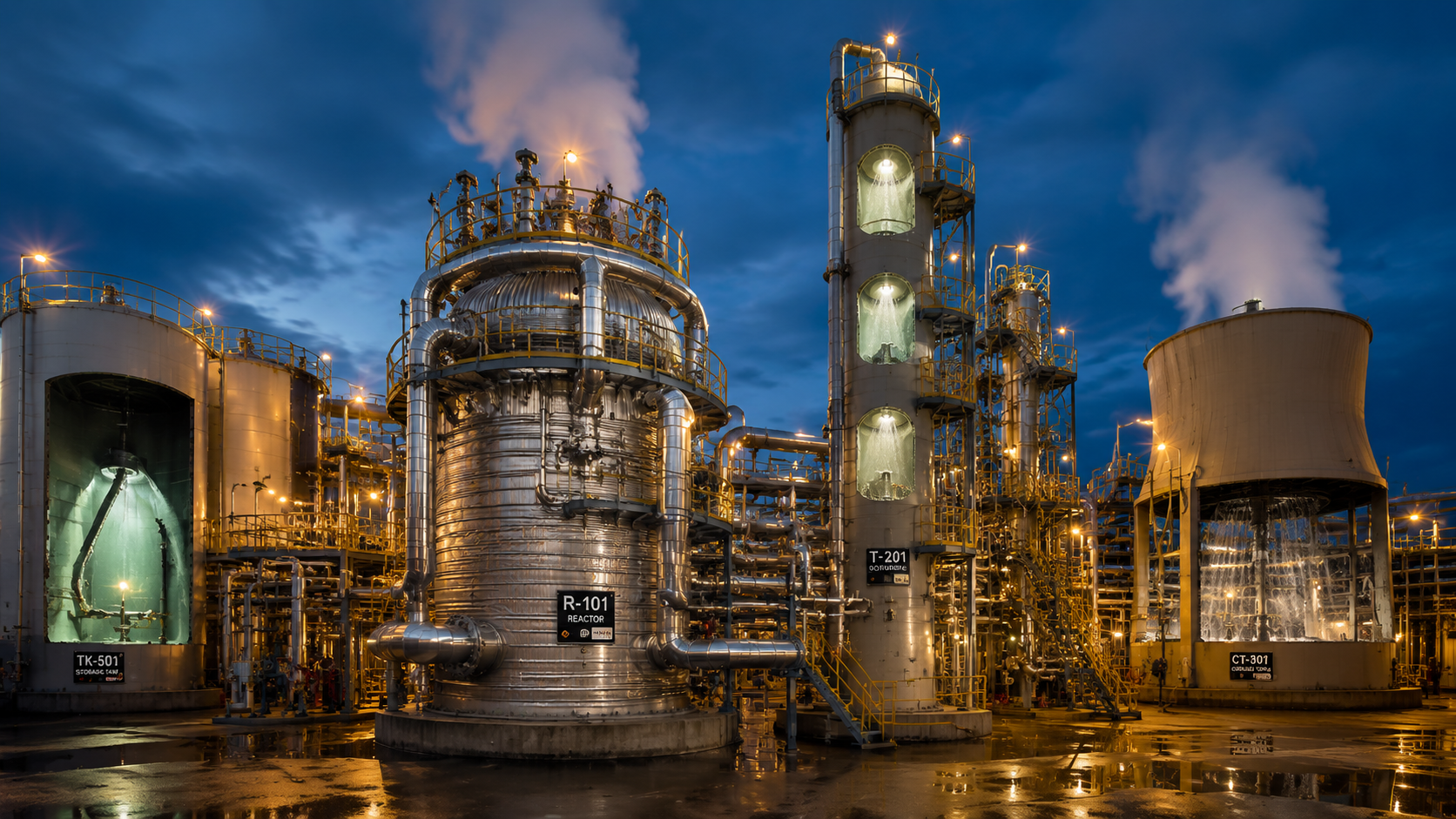

Don't see your industry? View all industries we serve →

For respirable dust (PM10), droplets of 10-50μm are most effective. Ultrasonic nozzles (1-10μm) are best for dry fog applications.
Dry fog produces ultra-fine droplets (1-10μm) that capture dust without wetting materials. Conventional misting uses larger droplets that can cause material wetting.
For coal dust (10–100μm), droplets of 50–200μm are optimal. Larger droplets capture coarse particles, while fine mist (10–50μm) captures respirable dust.
Yes, but wind can affect dispersion. For outdoor use, install wind shields or use higher pressure to increase droplet velocity.
Use heated enclosures, trace heating, or air‑assisted nozzles that purge water after use. Alternatively, use dry fog systems that use minimal water.
For full cone nozzles, 2–7 bar. For air atomizing, 0.7–4 bar liquid plus 2–6 bar air. Ultrasonic nozzles operate at low pressure (<3 bar).
20+ Years Engineering Experience – Free Consultation