



Wie man die Brennstoffeffizienz in Industriekesseln verbessert
Industrieanlagen haben steigende Energiekosten, wobei die Brennstoffkosten 40–60 % der gesamten Kesselbetriebskosten ausmachen. Schlechte Verbrennungseffizienz, unzureichende Wartung und suboptimale Düsenleistung verschwenden jährlich bis zu 20–30 % des Kraftstoffs. Das Verständnis der Schlüsselfaktoren, die die Kraftstoffeffizienz des Kessels beeinflussen, ermöglicht es Facility Managern und Anlageningenieuren, gezielte Verbesserungen umzusetzen, die messbare Kosteneinsparungen erzielen.
Wenn Sie die Brennstoffeffizienz in Industriekesseln verbessern möchten, konzentrieren Sie sich auf Verbrennungsoptimierung, korrekte Auswahl und Wartung der Düsen, Verbesserung des Wärmetransfers und präventive Wartungsmaßnahmen, die Effizienzverluste adressieren.
- 1. Verständnis von Kesseleffizienzmetriken
- 2. Optimierung der Verbrennung durch Luft-Kraftstoff-Verhältnisregelung
- 3. Richtige Auswahl und Wartung der Ölbrennerdüse
- 4. Reinigung von Wärmeübertragungsoberflächen und Kalkschutzmaßnahmen
- 5. Brennkammer- und Brennerabstimmung
- 6. Economizer-Installation zur Rückgewinnung von Abwärme
- 7. Blowdown-Optimierung und Wärmerückgewinnung
- 8. Variable Drehzahlantriebsinstallation für Verbrennungsluftventilatoren
- 9. Isolierungsaufrüstung und Reparatur von Dampflecks
- 10. FAQ
- 10.1. Was ist der kostengünstigste Weg, die Kesseleffizienz zu verbessern?
- 10.2. Wie viel Treibstoffabfall verursacht die Ablagerung von Skalen?
- 10.3. Wie oft sollten Ölbrenner-Düsen ausgetauscht werden?
- 10.4. Wie lange ist die Rückzahlungszeit für die Installation eines Sparer?
- 10.5. Kann maschinelles Lernen die Effizienz der Kesselverbrennung verbessern?
- 10.6. Was verursacht eine schlechte Kraftstoffeffizienz im Kessel?
- 11. Fazit
Verständnis von Kesseleffizienzmetriken
Die Kesseleffizienz misst, wie effektiv Ihr System Brennstoffenergie in nutzbare Wärme umwandelt. Die Verbrennungseffizienz zeigt an, wie vollständig der Kraftstoff verbrennt, typischerweise zwischen 75 und 85 % in gut gewarteten Industriekesseln. Der thermische Wirkungsgrad berücksichtigt alle Wärmeverluste, einschließlich Strahlung, Konvektion und Blowdown.
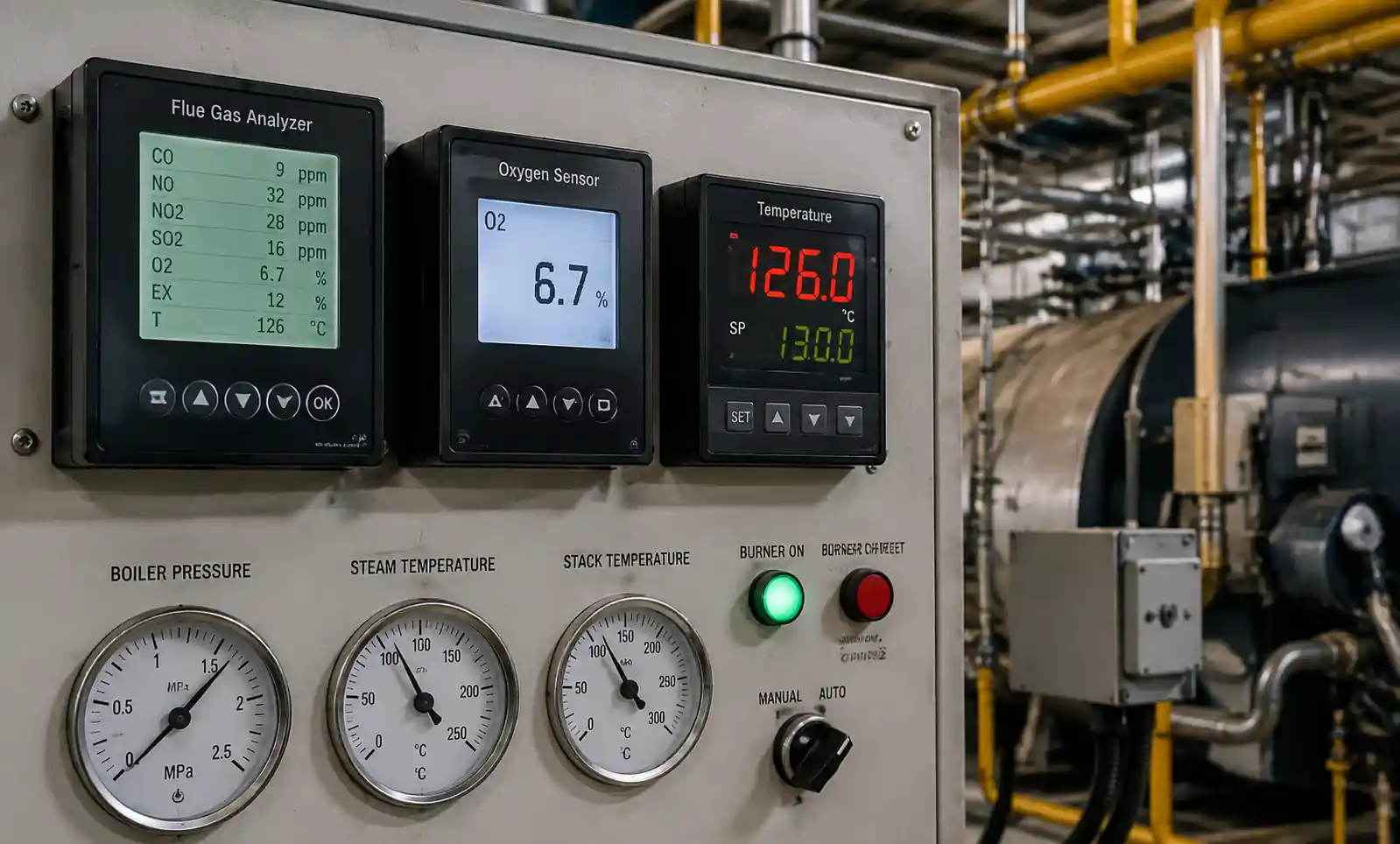
! 1-Kessel-Effizienz-Überwachungsinstrumente Digitale Kesseleffizienzüberwachungsinstrumente zur Messung der Rauchgastemperatur und des Sauerstoffgehalts
Man kann die Verbrennungseffizienz berechnen, indem man die Rauchgastemperatur und den Sauerstoffgehalt misst. Ein richtig abgestimmter Kessel mit 80 % Wirkungsgrad und 15 % überschüssiger Luft zeigt Rauchgastemperaturen von 300–400 °F über dem Umgebungstemperatur. Jede Reduzierung der Schornsteintemperatur um 40 °C verbessert die Effizienz um etwa 1 %.
Optimierung der Verbrennung durch Luft-Kraftstoff-Verhältnisregelung
Das Luft-Kraftstoff-Verhältnis bestimmt direkt die Verbrennungsvollständigkeit und -effizienz. Zu viel Luft kühlt die Flamme ab und transportiert Wärme in den Schornstein, während unzureichende Luft zu unvollständiger Verbrennung und Brennstoffverschwendung führt.
Moderne Kessel erreichen eine optimale Verbrennung mit 10–15 % überschüssiger Luft, gemessen als Sauerstoffkonzentration in Rauchgasen. Laut Verbrennungsoptimierungsforschung verbessern datengetriebene adaptive Algorithmen die Verbrennungseffizienz um 0,5–1 % und reduzieren die NOx-Emissionen um 15,1 %.
| Überschüssiges Luftniveau | Sauerstoff im Rauchgas | Verbrennungsqualität | Effizienzauswirkung |
|---|---|---|---|
| Unter 5 % | <1% O₂ | Unvollständige Verbrennung | 3-5% Effizienzverlust |
Installieren Sie kontinuierliche Sauerstoffanalysatoren im Rauchgasstrom, um optimale Luft-Kraftstoff-Verhältnisse aufrechtzuerhalten. Maschinelles Lernen basierende Optimierung kann die Verbrennungsparameter in 2 Millisekunden anpassen, was sofortige Anpassungen ermöglicht, die traditionelle Abstimmung nicht erreichen kann.
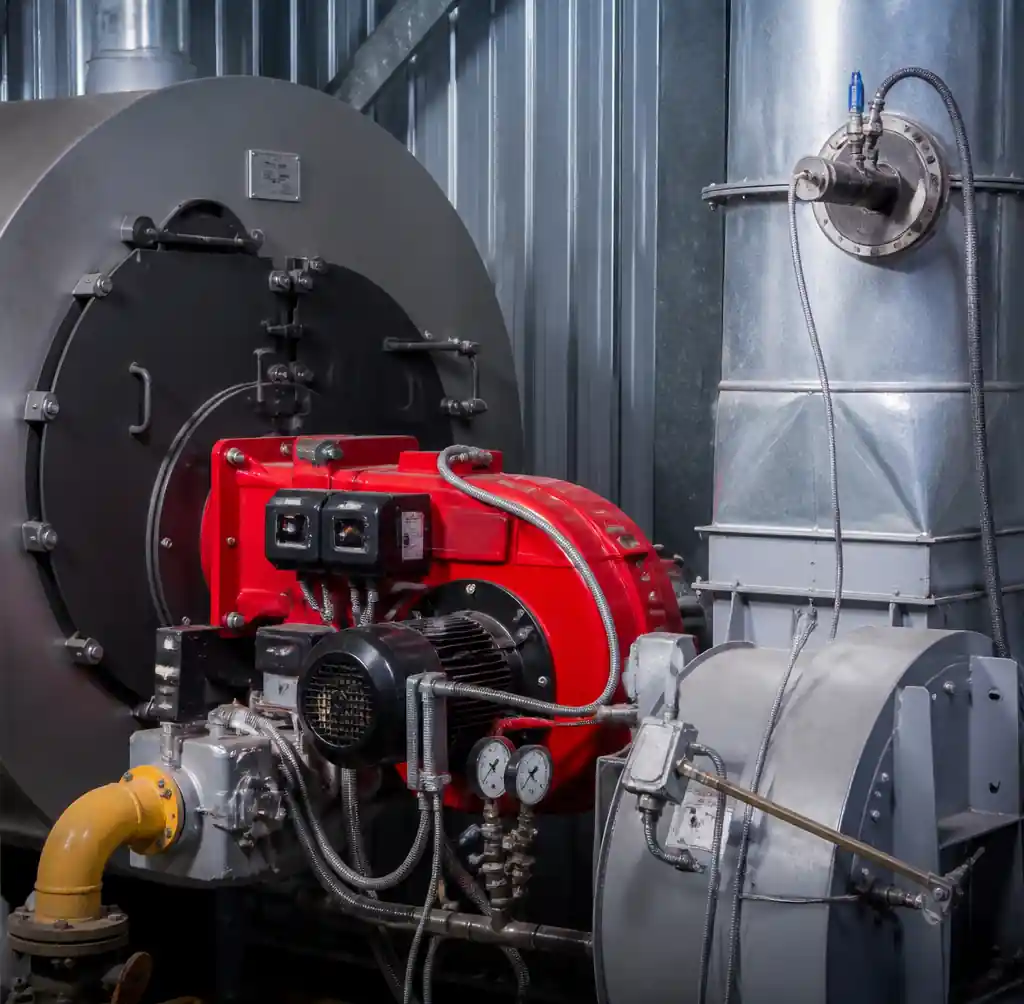
! 2-Verbrennungsluftsteuerungssystem Industrielle Kesselverbrennungsluftsteuerung mit Sauerstoffanalysator
Geschlossene Verbrennungssysteme überwachen Sauerstoffgehalt, Kohlenmonoxid, Rauchgastemperatur und Brenngeschwindigkeit und treffen koordinierte Anpassungen vor, die die maximale Effizienz gewährleisten. Eine 600-MW-Kesselimplementierung zeigte 0,5 % Effizienzsteigerungen durch dynamische Modellierung, was zu sechsstelligen jährlichen Brennstoffeinsparungen führt.
Richtige Auswahl und Wartung der Ölbrennerdüse
Ölbrenner-Düsen atomisieren den Kraftstoff in feine Tröpfchen, die sich mit Verbrennungsluft vermischen, und die Leistung der Düse wirkt sich direkt auf den Kraftstoffverbrauch aus. Abgenutzte oder falsch dimensionierte Düsen verschwenden Treibstoff durch schlechte Zerstäubung und unvollständige Verbrennung.
Die Düsenkapazität ist in Gallonen pro Stunde (GPH) bei einem Betriebsdruck von 100 psi angegeben. Passen Sie die Düsenkapazität an die Wärmeabgabeanforderungen Ihres Kessels an – unterdimensionierte Düsen können nicht genügend Brennstoff liefern, während überdimensionierte Düsen eine schlechte Atomisierung verursachen. Industriebrenner arbeiten typischerweise ab 0,65 GPH für kleine Systeme bis zu 10+ GPH für große Kessel.
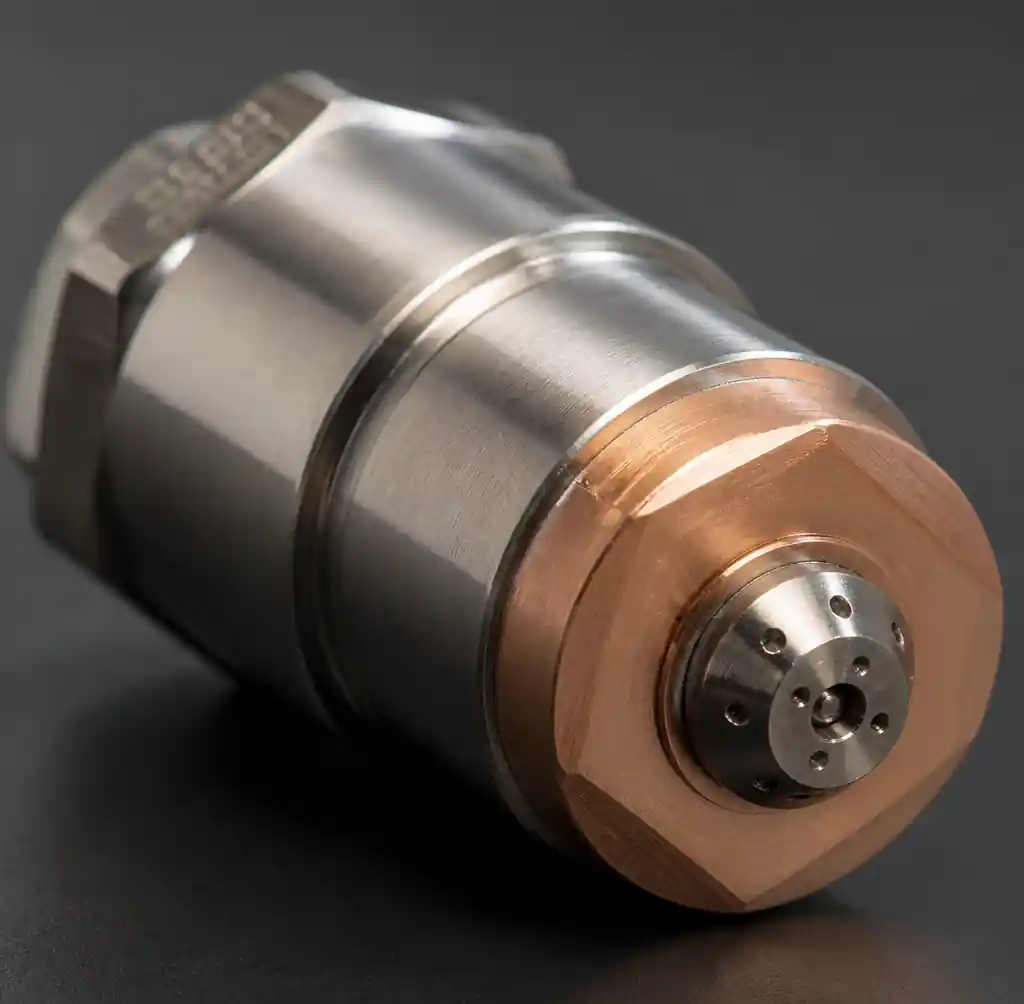
! 3-Ölbrenner-Düse-Nahaufnahme Ölbrennerdüse zeigt Sprühspitze und hohles Kegelmuster
Das Sprühmuster beeinflusst die Form der Flamme und die Abdeckung des Brennraums. Hohle Kegelmuster mit 80-Grad-Sprühwinkeln sorgen für die optimale Kraftstoffverteilung für die meisten industriellen Anwendungen. Forschungen zur Düsen-Atomisationsleistung zeigen, dass optimierte Düsenstrukturen mit 40 Sprühlöchern bei 1,5 mm Durchmesser die Verbrennungseffizienz deutlich verbessern.
Ersetzen Sie jährlich Ölbrennerdüsen in Systemen, die das ganze Jahr über laufen, oder alle 2.000–2.500 Betriebsstunden. Verstopfte oder abgenutzte Düsen verringern die Atomisierungsqualität, was zu einer unvollständigen Verbrennung führt, die 3–8 % des Kraftstoffverbrauchs verschwendet. Überprüfen Sie die Düsen vierteljährlich auf Kohlenstoffablagerungen und Verschleiß an den Sprühspitzen.
Reinigung von Wärmeübertragungsoberflächen und Kalkschutzmaßnahmen
Die Wärmeübertragungseffizienz bestimmt, wie viel Brennstoffenergie das Wasser oder den Dampf erreicht. Kalkablagerungen und Rußansammlungen wirken als Isolatoren und zwingen das System, mehr Brennstoff zu verbrennen, um die gleiche Leistung zu erzielen.
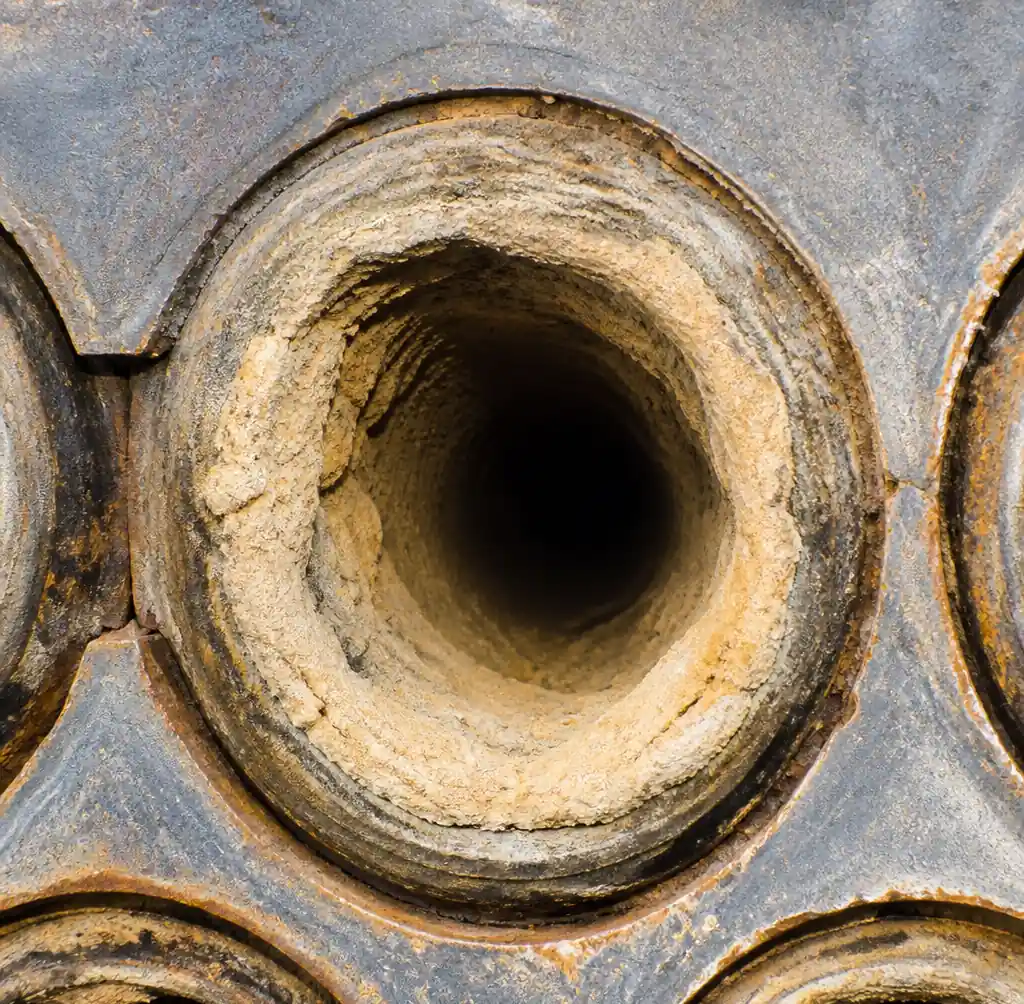
! 4-Kesselrohr-Skalenaufbau Kesselwasserrohr zeigt Ablagerungen und Mineralablagerungen, was den Wärmetransport reduziert
Kalkablagerungen durch harte Wassermineralien verringern die Effizienz erheblich. Schon 1/8 Zoll Kalkablagerungen verringern die Wärmeübertragungseffizienz um 20–25 %, während 1/4 Zoll die Effizienz um 40 % oder mehr senkt. Forschung zur Wartung industrieller Kessel bestätigt, dass schlecht gewartete Kessel jedes Jahr etwa 5 % Effizienz durch Kalkansammlung verlieren.
| Skalendicke | Wärmeübertragungsreduktion | Brennstoffabfälle | Jährliche Kostenauswirkung (100-PS-Kessel) |
|---|---|---|---|
| Saubere Schläuche | 0% | 0% | Basislinie |
| 1/16 Zoll | 10-12% | 10-12% | 8.000–10.000 $ |
| 1/8 Zoll | 20-25% | 20-25% | 16.000–20.000 $ |
| 1/4 Zoll | 40-45 % | 40-45 % | 32.000–36.000 $ |
Die Wasserbehandlung verhindert die Kalkbildung durch chemische Konditionierung. Halten Sie den korrekten pH-Wert (10,5–11,5 für Dampfkessel) aufrecht, steuern Sie die Gesamtmengen gelöster Feststoffe regelmäßig durch Blowdown und verwenden Sie phosphat- oder polymerbasierte Kalkinhibitoren.
Rußansammlung blockiert den Wärmetransport und erhöht die Stapeltemperaturen. Nur 1/8 Zoll Ruß reduziert den Wärmetransport um 15-20 %. Führen Sie jährlich eine Feuerreinigung durch oder wenn die Schornsteintemperaturen um 50 °F über dem Normalwert steigen.
Brennkammer- und Brennerabstimmung
Eine korrekte Einstellung des Brenners und der Zustand des Brennraums beeinflussen den Kraftstoffverbrauch direkt. Schlecht abgestimmte Brenner verschwenden Treibstoff durch unvollständige Verbrennung, während beschädigte feuerfeste Brennstoffe die Effizienz verringern.
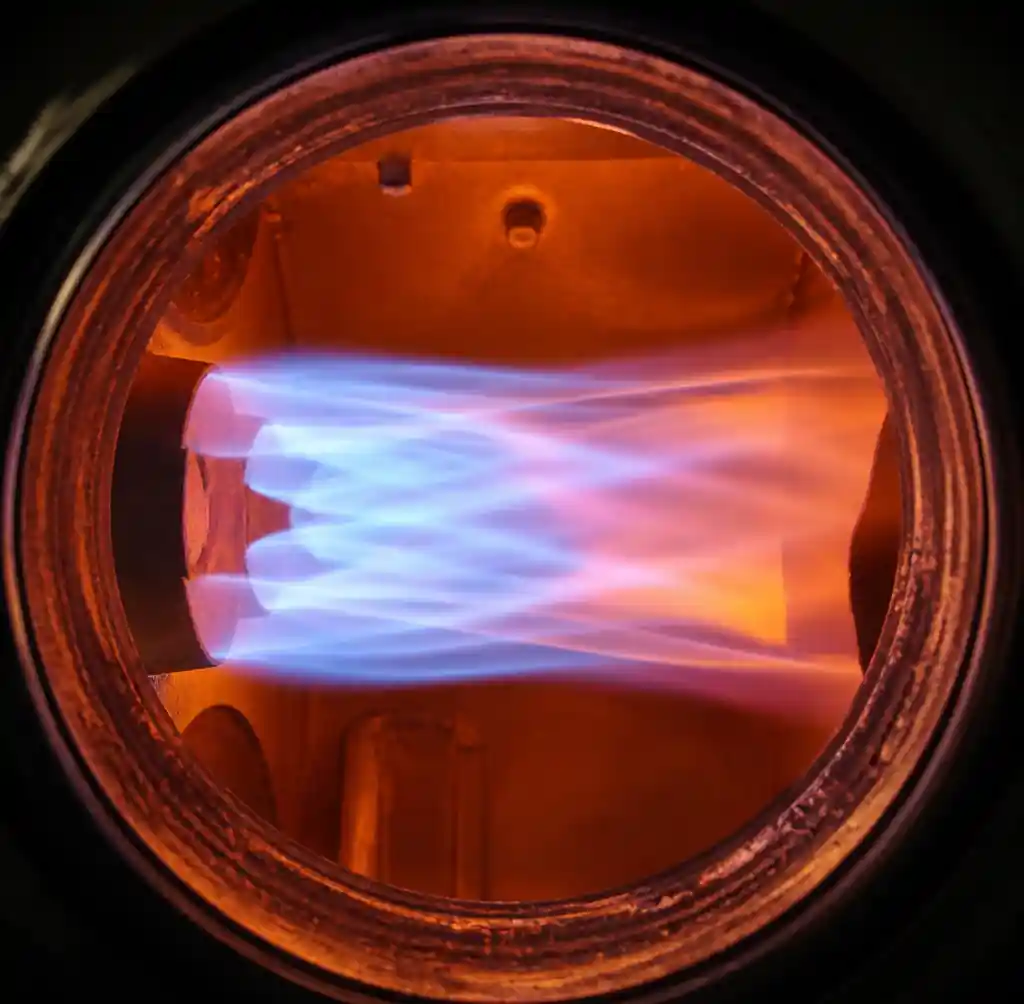
Professionelle Verbrennungsabstimmung beinhaltet das systematische Anpassen der Brennerkomponenten, um optimale Flammeneigenschaften zu erreichen. Planen Sie jährliche Verbrennungsanalysen, die von qualifizierten Technikern mit kalibrierten Instrumenten durchgeführt werden.
! 5-Brenner-Flammen-Muster-Anpassung Industrielle Brennerflamme während der Verbrennungsabstimmung zeigt die richtigen Flammeneigenschaften
Die Brennkammer isoliert feuerfest die Flammenzone und hält hohe Temperaturen für einen vollständigen Kraftstoffverbrauch. Beschädigte feuerfeste Stoffe ermöglichen Wärmeverluste durch Kesselwände. Überprüfen Sie jährlich feuerfeste Materialien auf Risse oder fehlende Abschnitte – jeder Quadratmeter fehlendes feuerfestes Material führt zu etwa 1–2 % Kraftstoffeffizienz.
Die angestrebte Verbrennungsleistung umfasst Sauerstoff im Rauchgas bei 2–3 % bei der Ölbefeuerung, Kohlenmonoxid unter 100 ppm, Schornsteintemperatur 300–400°F über dem Umgebungswert und eine Verbrennungseffizienz von 80–85 %. Führen Sie monatlich Rauchflecktests durch – jeder sichtbare Rauch deutet auf eine unvollständige Verbrennung hin.
Economizer-Installation zur Rückgewinnung von Abwärme
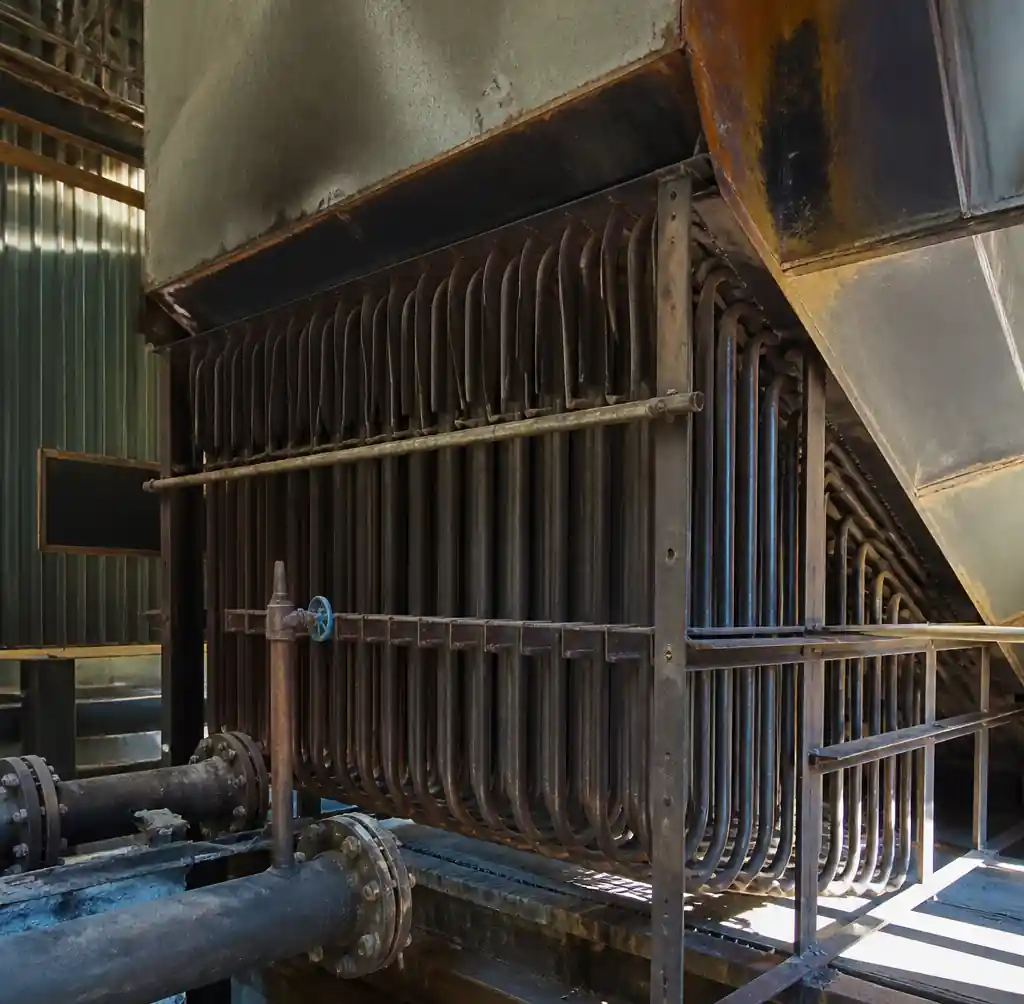
Economizer gewinnen Abwärme aus Rauchgasen zurück, um das Kesselzufuhrwasser vorzuheizen, wodurch der Kraftstoffverbrauch um 5–10 % reduziert wird. Diese Wärmetauscher werden im Abgasweg installiert und übertragen Wärme, die sonst entweichen würde.
Ein richtig dimensionierter Economizer senkt die Stapeltemperaturen von 400-500°F auf 250-300°F. Jede 10°F-Reduktion der Speisewassertemperatur verbessert die Kesseleffizienz um etwa 0,5 %. Für einen 100-PS-Kessel bedeutet dies jährliche Einsparungen von 5.000 bis 8.000 US-Dollar.
! 6-Ökonomizer-Wärmetauscher-Installation Wärmetauscher für industrielle Kessel-Ökonomizatoren zur Rückgewinnung von Rauchgas-Wärme
Spezifizieren Sie Economizer, wenn die Stapeltemperaturen 400°F überschreiten. Wirtschaftliche Analysen zeigen typischerweise Rückzahlungszeiten von 2–4 Jahren. Ökonomizer bieten den größten Mehrwert in kontinuierlich betriebenen Systemen, bei denen die zurückgewonnene Wärme das ganze Jahr über Einsparungen bietet.
Blowdown-Optimierung und Wärmerückgewinnung
Kesselblowdown entfernt gelöste Feststoffe, um die Kalkbildung zu verhindern, vertreibt aber auch heißes Wasser mit wertvoller Wärmeenergie. Übermäßiges Blowdown verschwendet sowohl Wasser als auch Brennstoff, während unzureichendes Blowdown zu Ablagerungen von Kalk führt.
Optimieren Sie die Blowdown-Rate basierend auf tatsächlichen Wasserchemie-Tests. Automatisierte Blowdown-Steuerungen überwachen die Gesamtmengen gelöster Feststoffe (TDS) und passen die Geschwindigkeiten an, um optimale Werte (3.000–5.000 ppm für Dampfkessel) zu halten. Eine Reduzierung unnötiger Blowdowns um 50 % kann die Systemeffizienz um 1–2 % verbessern.
Blowdown-Wärmerückgewinnungssysteme gewinnen Energie aus entladenem Wasser. Flash-Tanks gewinnen Dampf aus Hochdruck-Blowdown-Anlagen zurück, während Wärmetauscher Wärme zum Vorwärmen von Ersatzwasser übertragen. Diese Systeme gewinnen typischerweise 60–80 % der Blowdown-Energie zurück, was die Anlageneffizienz um 1–3 % verbessert und Rückzahlungszeiten von 1–3 Jahren bietet.
Variable Drehzahlantriebsinstallation für Verbrennungsluftventilatoren
Verbrennungsluftventilatoren verbrauchen 15–25 % der gesamten Hilfsenergie des Kessels. Die meisten Industriekessel verwenden Konstantdrehzahlventilatoren mit Einlassklappen, die Energie verschwenden, wenn ein Ventilator mit voller Geschwindigkeit gedrosselt wird.
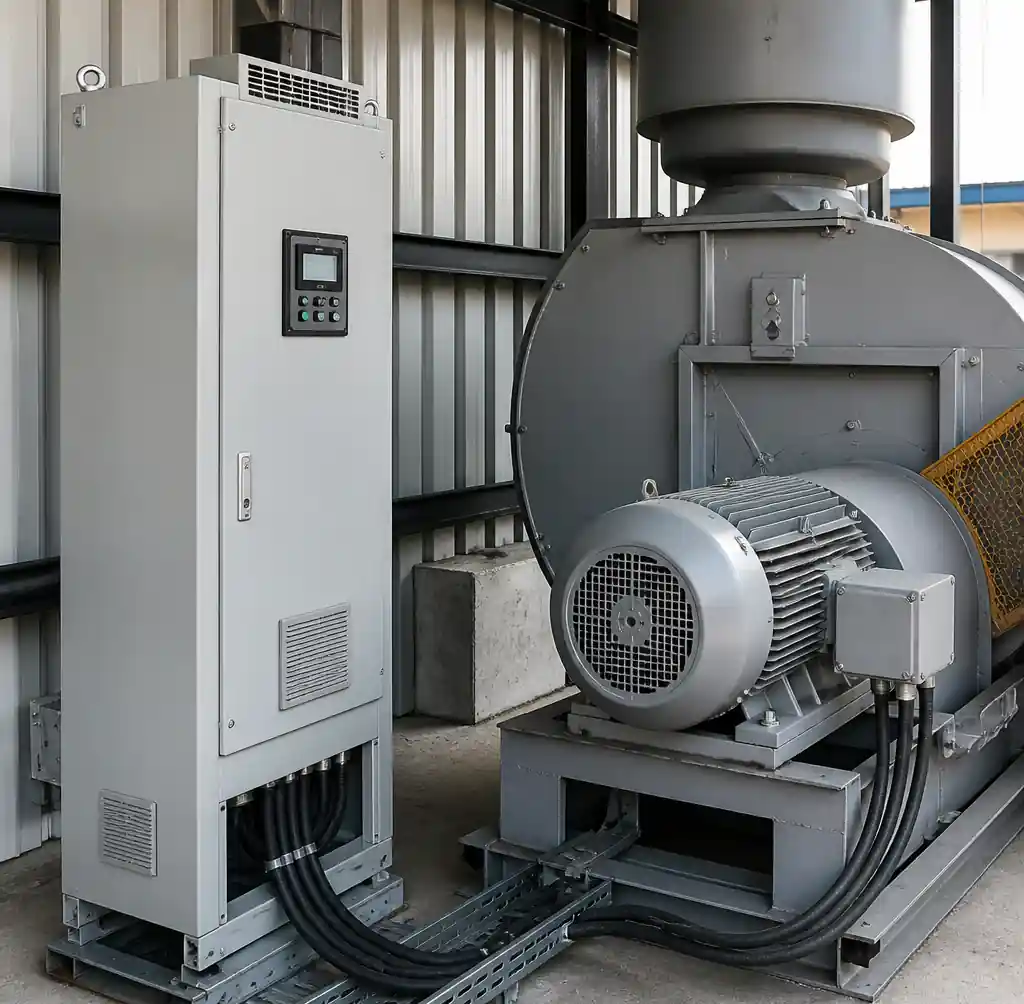
Frequenzvariable Frequenzantriebe (VFDs) passen die Drehzahl des Lüftermotors an den tatsächlichen Luftstrombedarf an und reduzieren den Stromverbrauch bei Teillasten um 30–50 %. Die Lüfterleistung folgt dem Würfelgesetz – eine Reduzierung der Lüftergeschwindigkeit um 20 % senkt den Stromverbrauch um etwa 50 %. Für einen 50-PS-Lüfter, der jährlich 6.000 Stunden läuft, spart die VFD-Installation 8.000–12.000 US-Dollar pro Jahr.
! 7-Frequenz-Antrieb-Verbrennungsventilator Variabler Frequenzantrieb steuert den industriellen Kesselverbrennungsluftventilatormotor
Spezifizieren Sie VFDs für Verbrennungsluftventilatoren an modulierenden Brennern, die mit unterschiedlichen Brennraten arbeiten. Die größten Einsparungen treten in Systemen mit hoher Lastvariabilität auf – Kessel, die mit 40–70 % Leistung arbeiten, erzielen größere Einsparungen als Systeme mit kontinuierlicher Volllast.
Isolierungsaufrüstung und Reparatur von Dampflecks
Strahlungs- und Konvektionsverluste von Kesseloberflächen und Dampfleitung von Abbrennstoff durch das Entweichen von Wärme. Unzureichende oder beschädigte Isolierung kann 5–10 % der gesamten Wärmeverluste in schlecht gewarteten Systemen ausmachen.
Überprüfen Sie alle Kessel- und Rohrdämmungen vierteljährlich auf beschädigte Ummantelung, fehlende Abschnitte oder heiße Stellen. Oberflächentemperaturen über 140°F deuten auf unzureichende Isolierung hin. Die Infrarot-Wärmebildgebung identifiziert schnell Problembereiche in großen Dampfsystemen.
Dampflecks verschwenden sowohl Wasser als auch Brennstoffenergie. Ein 1/8-Zoll-Dampfleck bei 100 psi verschwendet jährlich etwa 2.500 US-Dollar, während ein 1/4-Zoll-Leck 10.000+ $ pro Jahr verschwendet. Führen Sie vierteljährliche Dampffleiter-Erhebungen durch, um ausgefallene Fäll zu identifizieren – typische Anlagen stellen fest, dass 15–25 % der Dampffscheide bei systematischen Untersuchungen ausgefallen sind.
FAQ
Was ist der kostengünstigste Weg, die Kesseleffizienz zu verbessern?
Die Optimierung der Verbrennung durch eine korrekte Luft-Kraftstoff-Verhältnisregelung liefert sofortige Effizienzsteigerungen. Die Installation einer kontinuierlichen Sauerstoffüberwachung und der Einstellung der Brennersteuerung, um 10–15 % überschüssige Luft (2–3 % O₂ im Rauchgas) zu halten, verbessert die Effizienz typischerweise um 2–5 %. Professionelle Verbrennungsabstimmung kostet 1.000–3.000 US-Dollar, spart aber bei mittelgroßen Industriekesseln oft jährlich 10.000–20.000 US-Dollar.
Wie viel Treibstoffabfall verursacht die Ablagerung von Skalen?
Schon 1/8 Zoll Ablagerungen auf Kesselrohren verringern die Wärmeübertragungseffizienz um 20–25 %, während 1/4 Zoll die Effizienz um 40 % oder mehr senkt. Für einen typischen 100-PS-Industriekessel verschwendet 1/8 Zoll Ablagerung jährlich 16.000–20.000 US-Dollar. Regelmäßige Wasserbehandlung und Reinigung von Röhrchen verhindern die Ansammlung von Kalk.
Wie oft sollten Ölbrenner-Düsen ausgetauscht werden?
Ersetzen Sie jährlich Ölbrennerdüsen in kontinuierlich betriebenen Systemen oder alle 2.000–2.500 Betriebsstunden. Abgenutzte Düsen führen zu einer schlechten Zerstäubung, die 3–8 % des Kraftstoffs durch unvollständige Verbrennung verschwendet. Die vierteljährliche Inspektion identifiziert verstopfte oder beschädigte Düsen, die sofortigen Austausch erfordern.
Wie lange ist die Rückzahlungszeit für die Installation eines Sparer?
Die Rückzahlungszeiten der Economizer liegen typischerweise zwischen 2 und 4 Jahren, abhängig von Kesselgröße, Betriebszeiten und Brennstoffkosten. Ein 100-PS-Kessel, der jährlich 6.000 Stunden mit Schornsteintemperaturen von 450 °F betrieben wird, kann jährlich 5.000 bis 8.000 Dollar einsparen. Kontinuierlich betriebene Systeme erreichen die kürzesten Rückzahlungszeiten.
Kann maschinelles Lernen die Effizienz der Kesselverbrennung verbessern?
Ja, moderne datengetriebene Verbrennungsoptimierung mit maschinellen Lernalgorithmen verbessert die Effizienz um 0,5–1 % und reduziert die NOx-Emissionen um 15 %. Diese Systeme überwachen kontinuierlich die Verbrennungsparameter und führen Echtzeitanpassungen in etwa 2 Millisekunden vor. Die Implementierung von 600-MW-Kesseln hat Effizienzsteigerungen gezeigt, die sich auf sechsstellige jährliche Brennstoffeinsparungen hindeuten.
Was verursacht eine schlechte Kraftstoffeffizienz im Kessel?
Die Hauptursachen sind übermäßige Überluft durch schlechte Luft-Kraftstoff-Verhältniskontrolle, Kalkablagerungen auf Wärmeübertragungsflächen, abgenutzte oder nicht richtig dimensionierte Ölbrennerdüsen, unzureichende Isolierung, Dampflecks, beschädigte Feuerfeststoffe und hohe Schornsteintemperaturen ohne Wärmerückgewinnung. Schlecht gewartete Kessel verlieren jährlich etwa 5 % Effizienz, wobei die kumulierten Verluste in stark vernachlässigten Systemen 20–30 % erreichen.
Fazit
Die Verbesserung der Brennstoffeffizienz in Industriekesseln erfordert einen systematischen Ansatz, der Verbrennungsoptimierung, ordnungsgemäße Bauteilwartung, Wärmerückgewinnung und kontinuierliche Überwachung kombiniert. Die effektivsten Verbesserungen umfassen die Optimierung des Luft-Kraftstoff-Verhältnisses, die Auswahl und Wartung geeigneter Ölbrennerdüsen, die Verhinderung von Kalkaufbau, die Installation von Sparbehältern zur Rückgewinnung der Abwärme sowie die Implementierung variabler Drehzahlantriebe an Verbrennungslüftern.
Gut gewartete Industriekessel mit optimierter Verbrennung erreichen einen thermischen Wirkungsgrad von 80–85 %. Anlagen, die umfassende Effizienzprogramme umsetzen, senken in der Regel den Kraftstoffverbrauch um 15–20 %, was Rückzahlungszeiten von 1–3 Jahren ermöglicht, Emissionen reduziert und die Zuverlässigkeit verbessert.
Wenn Sie hochwertige Ölbrennerdüsen oder Sprühdüsen für industrielle Kesselanwendungen benötigen, stellt YuechenPrecision Technology präzisionskonstruierte Düsen her, die für optimale Atomisierung und Verbrennungseffizienz ausgelegt sind. Unsere Düsenlösungen unterstützen vielfältige industrielle Anwendungen von Brennernachrüstungen bis hin zu vollständigen Upgrades des Verbrennungssystems.
Kontaktieren Sie uns noch heute für die Auswahl individueller Düsen, technische Spezifikationen und technische Unterstützung für Anwendungen zur Verbesserung der Kraftstoffeffizienz Ihres Kessels.